The 5 Tourist Traps to Avoid in Budapest: Essential Advice for Savvy Travellers
Budapest is one of Europe's most beautiful and affordable capitals, but certain areas and situations can cost you far more than they should.
The main traps include unlicensed taxis charging 10 times the normal fare, bars with hidden charges that turn a €5 drink into a €200 bill, and restaurants in tourist zones that add unexplained fees to every meal.
These aren't rare incidents. They happen every week to travellers who simply didn't know what to look out for.
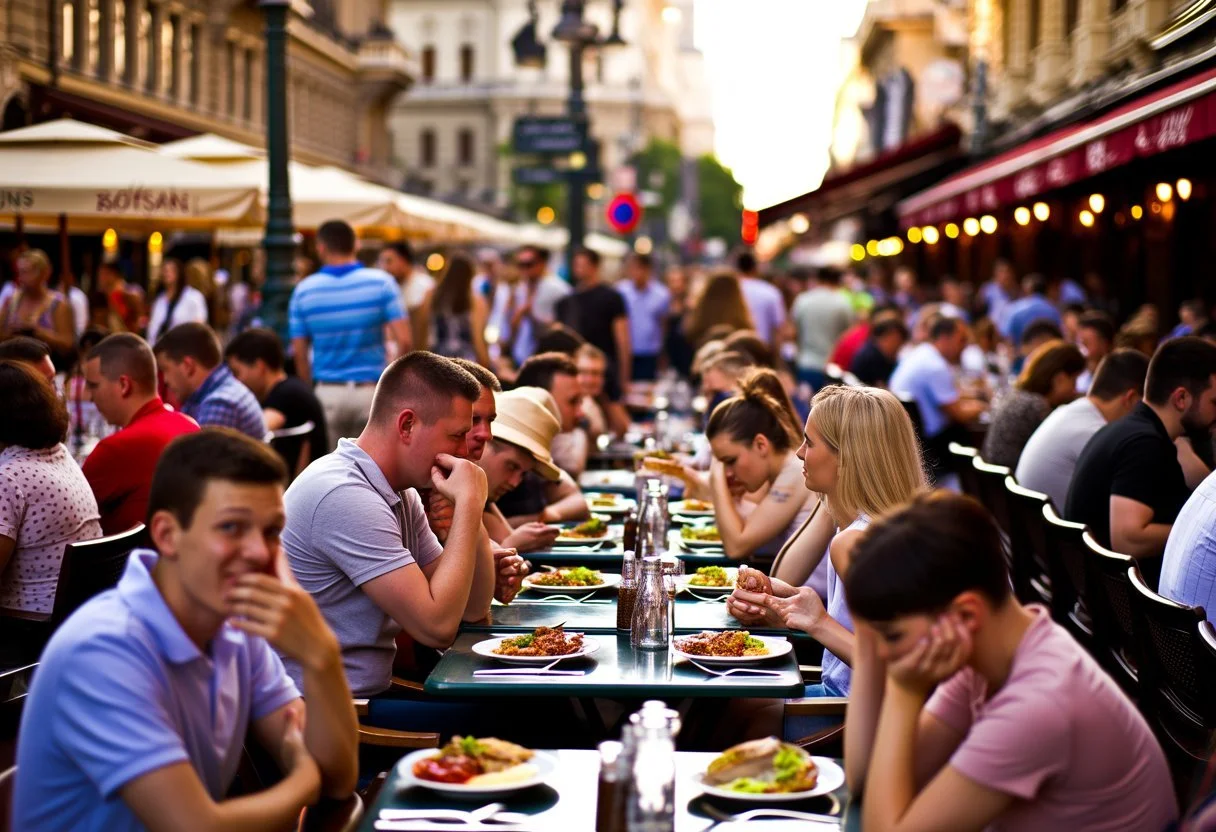
Fortunately, you can dodge every single trap once you know the pattern. You don't have to suspect everyone or avoid entire neighbourhoods.
Just know which situations carry risk and what the safe alternatives look like. Most of Budapest operates honestly, and the city’s still a fantastic bargain compared to Paris, London, or Vienna.
This guide digs into the five traps that catch the most people and shows you exactly how to sidestep them.
You'll get the lowdown on which apps to grab before you land, which streets to avoid for dining, and how to spot a setup before you’re in it.
Key Takeaways
Use the Bolt app for all taxi journeys to avoid drivers charging 10 times the legitimate fare
Never accept bar recommendations from strangers on the street, especially in District VII's ruin bar area
Avoid restaurants on Váci utca and always confirm prices before ordering at any venue near major landmarks
Overpriced Dining in Tourist Zones
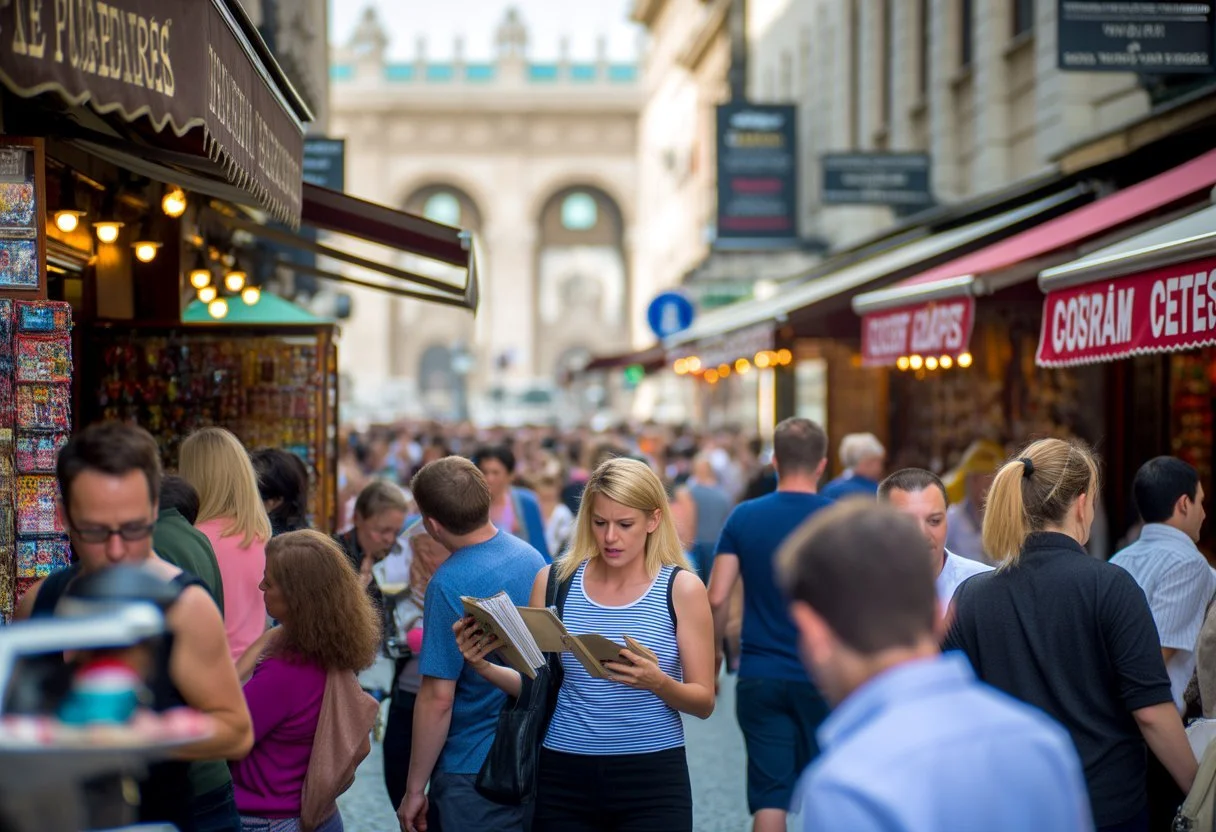
Budapest's main tourist corridors charge 30–50% more for comparable food than streets just a block away. The markup isn’t subtle—it hits everything from goulash to bottled water.
Váci Street and Váci Utca Restaurant Markups
Váci utca, Budapest's pedestrianised tourist shopping street in District V, thrives on high foot traffic and low return visits. That combo means systematic overpricing is the norm.
Main courses look reasonable on outdoor menus—typically 3,500–4,500 HUF for traditional dishes. But the inflated bill comes from mandatory cover charges (1,000–1,500 HUF per person for bread you never asked for), added service charges(10–12%), and tourist-only pricing for daily specials that mysteriously aren’t listed outside.
Walk one block east or west. Petőfi Sándor utca, Veres Pálné utca, or Párisi utca run parallel to Váci street. Restaurants on these streets serve the same Hungarian dishes at 30–50% lower prices.
The Central Market Hall is just five minutes south and offers authentic food at local rates.
Chain Bridge Riverside Eateries
Restaurants with views of Chain Bridge or Buda Castle charge premium prices for the scenery. The food rarely justifies the cost.
These places target visitors who want to dine with a view. Expect to pay 6,000–9,000 HUF for a main course that costs 3,000–4,000 HUF just a few streets back from the Danube.
The menus often lean “international” rather than Hungarian, and portions tend to be smaller than at local spots. Street vendors near Chain Bridge sell lángos (fried dough) at double the usual Budapest price.
A lángos that’s 800–1,200 HUF at a local market will cost 2,000–2,500 HUF riverside. That’s a hefty markup for fried dough, no matter how good the view.
Hidden Charges and Tourist Menus
Many tourist-zone restaurants use pricing tricks that aren’t obvious at first glance. Cover charges show up as "couvert" or "bread service" on the bill.
Service charges get added automatically, even though tipping is customary in Budapest—so you end up paying twice. Some places run two menu systems: laminated menus outside with lower prices, but inside, printed menus show higher rates for the same dishes.
Others quote daily specials out loud without mentioning the price, then charge way more than standard menu items. Always confirm prices before ordering.
Check if service is included. Say no to bread or appetisers you didn’t order. A quick Google Maps search before you sit down helps—recent reviews mentioning surprise charges are a big red flag.
Budapest Taxi Scams and Safe Transport Choices
Budapest taxi scams hit tourists harder than any other trap here, with inflated fares sometimes reaching 5–10 times the real price. The worst of it happens around unregulated street taxis at transport hubs, but you can avoid these headaches easily.
Recognising Budapest Taxi Scams
The Budapest taxi scam works in three main ways. Some drivers use tampered metres that run fast, turning a 2,000 HUF ride into a 15,000 HUF shocker.
Others quote fares per kilometre rather than a total, which sounds fine until you see the final bill. And plenty just hope you don’t know the right price.
Unregulated taxis hang around Keleti railway station, Kelenföldi station, and the airport arrivals hall. These cars often lack proper company markings or display fake credentials.
The drivers go after newly arrived travellers who haven’t downloaded local apps or checked out standard fares. A legitimate ride from Keleti station to central Budapest costs 1,500–2,500 HUF. But street taxis have charged 15,000–30,000 HUF for the exact same journey.
Choosing Reliable Taxis and Ride Apps
Download Bolt before you arrive. Bolt shows the fare up front, tracks your route, and keeps drivers accountable through the app. A typical ride within central Budapest runs €3.75–6.25.
If you need a traditional taxi, call Főtaxi (the main regulated operator) or another licensed company. Never hail a taxi on the street near tourist areas or transport hubs.
Licensed taxis have official yellow number plates and company identification on both doors. Payment apps like Revolut, Wise, or Starling work smoothly with Bolt and help you dodge currency conversion fees.
Common Tactics at Transport Hubs
Airport taxi touts approach you in the arrivals hall before you reach the official taxi rank. They'll offer “special prices” or claim the queue is too long—both are lies to get you into an unregulated vehicle.
Railway stations use similar tricks. At Keleti, drivers wait just outside the main entrance where tired travellers spill out, often looking official in dark clothing and carrying clipboards.
Just walk past anyone offering rides and use your phone to book Bolt while you’re still inside the station or airport. If you don’t have data, ask your accommodation to arrange a pickup through a licensed company with the price agreed in advance.
Tourist Trap Experiences at Famous Landmarks
Budapest’s most iconic landmarks spark genuine wonder—and, unfortunately, attract predatory pricing too. Boat tours, castle approaches, and riverside walkways all have their own traps, often targeting visitors distracted by the sights.
Danube River Cruises and Souvenir Sellers
Legitimate Danube river cruises leave from fixed jetties along the Danube promenade, especially near Chain Bridge and the Parliament building.
The tourist trap versions? You’ll see aggressive ticket sellers at street level claiming to work for “official” operators but charging 40–60% above desk prices. Some kiosks sell “sunset cruise packages” that end up being a 30-minute loop instead of the hour-long ride you expected. And touts near Margaret Bridge offer “private boat tours” that turn out to be shared rides with inflated per-person costs.
Protective measures:
Book directly at the pier or through verified operators' websites
Verify the departure jetty location before paying
Avoid anyone approaching you on the street with cruise tickets
Check Google reviews for the specific company name, not just "Danube cruise"
Legit operators display clear pricing boards at their jetties. A standard evening cruise costs 4,000–7,000 HUF per adult. If someone quotes you over 9,000 HUF without dinner or drinks, be suspicious.
Danube Promenade and Margaret Bridge Hazards
The Danube promenade between Chain Bridge and Margaret Bridge is a hotspot for scam artists pretending to be charity workers, street artists who suddenly want payment after posing for photos, and “free walking tour” guides who demand mandatory tips of €15–20 per person.
Margaret Bridge in particular has costumed performers who sneak into your photos, then demand 2,000–5,000 HUF for their “participation.” Street artists sketching caricatures rarely post prices. What starts as a friendly chat turns into a demand for 8,000–12,000 HUF for a five-minute sketch.
Always confirm the price in writing before you sit down. Seriously, don’t skip this step.
Buda Castle and Gellért Hill Pitfalls
The funicular railway (Budavári Sikló) going up to Buda Castle charges 1,400 HUF one-way, 2,100 HUF return. Ticket sellers at ground level sometimes pitch “express tickets” at double the price, claiming you’ll skip the queue (which isn’t a thing).
The real ticket office sits right at the funicular entrance. Gellért Hill attracts unlicensed “tour guides” who offer history talks for negotiable fees that suddenly become non-negotiable at the Citadella.
Restaurant terraces near Buda Castle often use tourist menus with prices 50–70% higher than their Hungarian-language menus. Ask for “az étlap” (the menu) instead of just taking the English version handed to obvious tourists.
The walk from Buda Castle to Gellért Hill takes 15–20 minutes and you don’t need a guide. Printed maps are free at the castle info point if you want one.
Bath Ticket Cons and Better Thermal Bath Options
Third-party resellers and overcrowded tourist baths can drain both your wallet and your enjoyment. Booking directly and picking less famous baths usually means better value and a more authentic experience.
Avoiding Bath Ticket Resellers
Street vendors and hotel concierges love to sell thermal bath tickets at inflated prices. You'll end up paying 20-40% more than if you just book directly through the official bath websites.
These resellers really don't add any value. The ticket you get is exactly the same as what you'd receive at the bath entrance or online.
Some street sellers near Széchenyi Bath ask for as much as 18,000-20,000 HUF for tickets that are 13,000 HUF at the door. Hotel concierge services tack on a commission too.
Sure, it's convenient, but you're basically paying extra for something you could sort out in a couple minutes online. Just book directly through each bath's official website or grab tickets at the entrance.
Both Széchenyi and Rudas let you book online with no markup. You can download tickets to your phone right after purchase—super easy.
Choosing Authentic Baths Over Crowded Icons
Széchenyi Bath pulls in huge crowds, especially on weekends and during the summer. Expect to queue for 30-45 minutes at peak times and good luck finding space in the popular pools.
The bath's reputation creates a tourist-heavy vibe that feels pretty different from how locals actually use thermal baths. You'll probably spend more time weaving through people than actually relaxing.
Rudas gives a more balanced experience. The Ottoman pool section has limited capacity, so you'll see fewer people, but you should book ahead for weekends.
The architecture really does make it worth a visit, even if it gets its share of tourists.
The Lukács Baths Advantage
Lukács Bath costs about 7,200 HUF, which is nearly half of Széchenyi's 13,000 HUF. You still get thermal pools, saunas, and outdoor spots for a bargain.
The crowd is mostly Budapest locals, not tour groups, so it's quieter and you can actually hear yourself think. Weekday mornings are especially calm.
Lukács keeps its therapeutic facilities genuine. You'll find mineral water fountains, proper lap pools, and staff who focus on health, not just entertainment.
The outdoor pools are fantastic from April through October, and you won't find the Instagram-hunting crowds that pack Széchenyi all year.
Lukács sits on the Buda side along the river. Just hop on tram 17 or 19 and you'll end up right at the entrance.
The area feels a lot more residential and relaxed—nothing like the theme-park vibe of City Park.
Ruin Pub Tourist Hubs Versus Local Favourites
Budapest's famous ruin pubs draw massive crowds, but the most popular ones tend to have higher prices and overwhelming numbers of tourists. Figuring out which places are actually worth it—and which alternatives offer better value—helps you get the real ruin pub experience without falling for tourist traps.
Szimpla Kert's Crowds and Price Traps
Szimpla Kert is the original ruin pub, opened in 2002 in Budapest's Jewish Quarter. These days, it's a major tourist magnet, and you'll pay premium prices for drinks.
A standard beer runs about 1,200-1,500 HUF (£2.50-£3.50), while less touristy spots charge 800-1,000 HUF (£1.70-£2.20). The place fills up fast, and after 8pm on weekends, finding a seat is pretty much impossible.
Better timing strategy:
Drop by between 2pm-6pm for fewer crowds
Try Sunday mornings for the farmers' market
Avoid Friday and Saturday nights altogether
The interior looks as quirky and cool as ever, with mismatched furniture and oddball decor. But honestly, you'll probably spend your time queuing for drinks or hunting for a seat instead of soaking up the atmosphere.
Instant-Fogas, Anker't, and Mazel Tov as Alternatives
Instant-Fogas is a better pick if you want to dance. It's huge—over 15 bars and 7 dance floors, each with different music, and it's open until 6am every day.
Prices are similar to Szimpla Kert, but you'll have more space since the crowds spread out across multiple rooms. Mazel Tov, on the other hand, is an upscale Middle Eastern restaurant in a beautifully restored ruin space.
You'll need to book weeks ahead, but the food and the courtyard are worth it if you're after something more refined. For a truly local vibe, smaller venues like Anker't deliver the authentic ruin pub experience without the tourist overload.
Prices drop by 30-40%, and you'll actually meet Budapest locals—not just other travelers.
General Safety Tips and Avoiding Common Street Scams
Budapest is generally safe for tourists, but certain spots attract scam artists who love targeting visitors unfamiliar with local prices and customs. The most common street scams happen on Váci Street and in crowded tourist zones where pickpockets and unofficial guides hang around.
Pickpocketing and Scam Artists on Váci Street
Váci Street, the main pedestrian shopping strip, draws pickpockets who work crowded areas, especially during peak tourist hours. They usually operate in pairs or small groups near shop entrances, restaurants, and wherever tourists stop for photos.
The classic move is distraction—one person asks for directions or drops something in front of you while their partner goes for your bag or pocket. Sometimes someone holds up a map or clipboard and asks you to sign a petition.
Keep these items secure:
Phone in a front pocket or cross-body bag
Wallet in a front pocket or inner jacket pocket
Camera strap across your body, not dangling from one shoulder
Bags zipped and held in front of you in crowds
Try not to wear flashy jewelry or wave around big wads of cash. If someone comes up with a petition, a sob story, or wants to help clean something they "accidentally" spilled on you, just say no and walk away.
Responding to Unofficial Tour Guides
Unofficial tour guides often approach tourists near big attractions like the Parliament Building, Fisherman's Bastion, and Buda Castle. They offer tours at prices that sound reasonable, but these guides aren't licensed and their facts are usually questionable or just plain wrong.
They'll chat you up if you're alone or in a small group, then offer to show you around for a "small tip" or a fixed price. At the end, they might demand way more money—or get pushy if you refuse to pay extra.
Use these responses:
Say "no thank you" firmly and keep walking
If they keep at it, say you've already booked a guide or tour
Never agree to a tour unless the price is confirmed in writing first
Stick to tours from legit companies with online reviews and set prices. Licensed guides wear official ID badges from the Hungarian Tourism Agency.
Is Budapest Safe for Tourists?
Budapest feels safe compared to other European capitals of similar size. Violent crime against tourists is rare here.
Most visitors breeze through their stay without any problems. If there's a risk, it's usually a financial scam rather than anything physical.
District V (where Váci Street sits) and District VII (the ruin bar quarter) attract the most tourist scams. Honestly, just a bit of common sense and awareness goes a long way.
The public transport system stays safe at all hours. Still, it's smart to keep your eyes open, especially on night buses and metros.
Women traveling alone often say they feel safe walking in central Budapest during the evening. Of course, the usual advice holds: stick to well-lit streets, skip the shadowy alleys late at night, and trust your gut if something feels off.
Emergency services respond reliably, and you'll usually find that police officers in touristy spots speak at least basic English. The emergency number is 112 for everything.
It's handy to keep your accommodation address written in Hungarian. You never know when you'll need to show it to a taxi driver or just ask for directions.
