Day Time Activities in Budapest: Essential Guide for Curious Travellers
Budapest offers a huge range of daytime activities that make it clear why it’s become one of Europe’s most popular city destinations. The city mixes grand historical landmarks like the Hungarian Parliament Building and Buda Castle with relaxing thermal baths, vibrant food markets, and tree-lined parks along the Danube River.
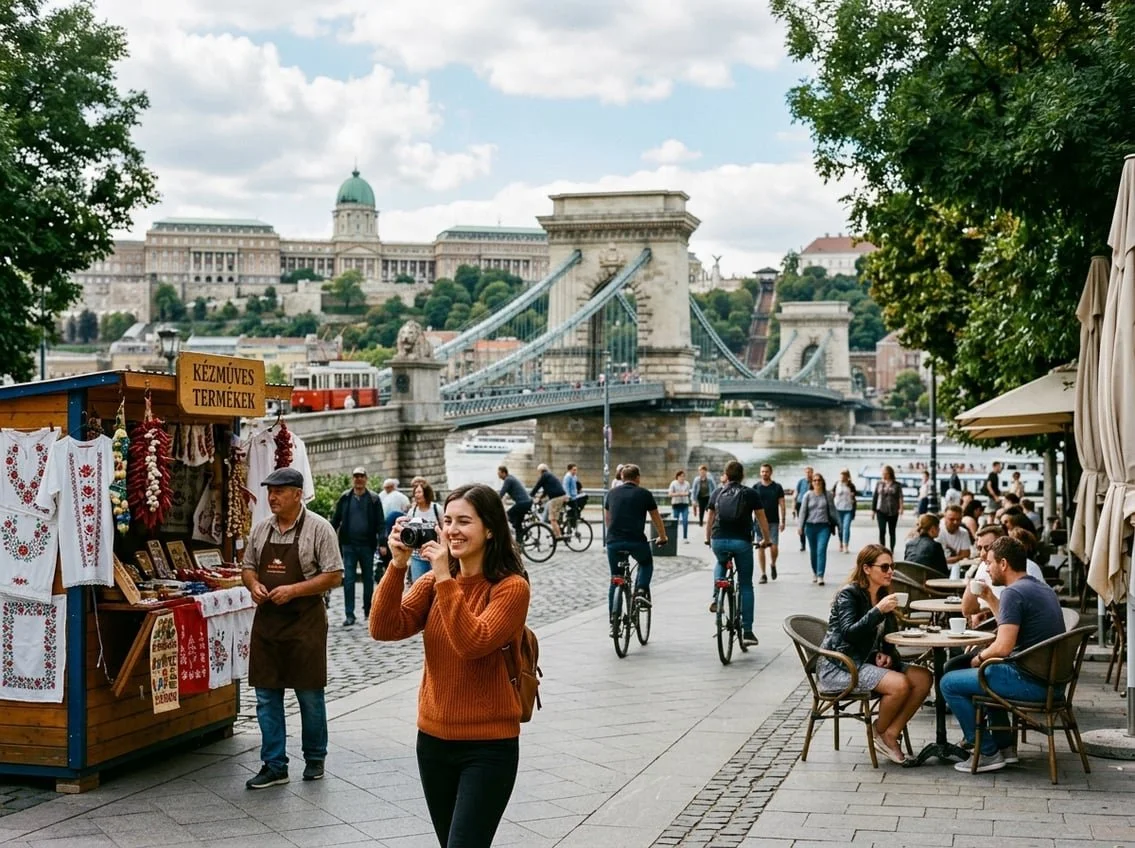
Whether you’re here for a day or a week, figuring out which daytime activities to focus on is key if you want to experience the best of Budapest. There’s just so much to see, and honestly, it’s easy to get distracted.
The nice thing is that many of Budapest’s top sights are packed close together. You might wander Pest’s elegant boulevards in the morning, cross the Chain Bridge to Buda’s Castle District by lunch, then still squeeze in a visit to the Great Market Hall or a soak in a thermal bath before evening.
When your feet finally give up, the city’s public transport makes hopping between neighbourhoods a breeze. You won’t need to stress about missing out.
This guide digs into the best daytime things to do in Budapest, from climbing St. Stephen’s Basilica for those sweeping views to sampling Hungarian food at local markets. I’ve packed in practical info about timing, costs, and how to get between attractions without wasting hours.
Key Takeaways
Budapest’s top daytime activities include visiting historic landmarks, soaking in thermal baths, and exploring vibrant food markets.
Most major attractions in central Budapest are walkable or connected by efficient trams and metro lines.
Planning your route between Pest and Buda helps you experience the city’s different neighbourhoods without backtracking.
Navigating Budapest: Geography and Getting Around
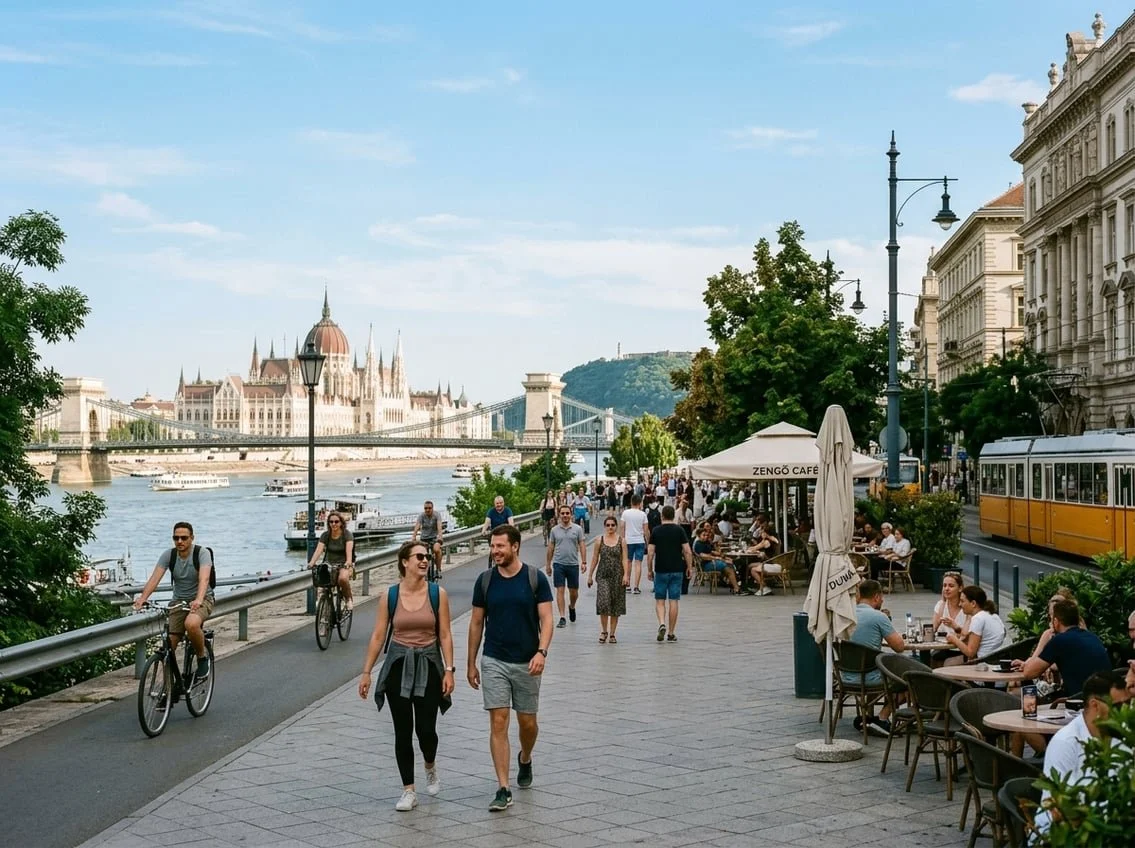
Budapest splits into two clear sides with the Danube River right in the middle. If you get the hang of this, you’ll move around much more easily.
The city’s got reliable public transport, plenty of places to arrive, and useful tourist cards that make things simpler.
Understanding Buda and Pest
Budapest only came together as a single city in 1873—before that, there were three separate towns. Buda sits up on the western hills with castles and quiet neighbourhoods.
Pest, on the flat eastern bank, holds most of the shops, restaurants, and big attractions like Parliament. The Danube slices right through, so it’s honestly hard to get lost.
Bridges link the two sides all day long. Buda’s generally quieter and feels a bit more posh, while Pest is lively and packed with people.
Most travellers end up spending more time in Pest, but Buda’s got essentials like Fisherman’s Bastion and Buda Castle. You’ll probably find yourself crossing back and forth a few times.
Arriving at Budapest Ferenc Liszt International Airport and Keleti Station
Budapest Ferenc Liszt International Airport sits about 16 kilometres southeast of the centre. The 100E bus goes straight to central Pest in around 30 minutes and leaves every 20 minutes during the day.
You’ll need a special ticket for that bus—it’s not covered by regular passes. If you want to skip the hassle, book an airport transfer through GetYourGuide or similar services for door-to-door service.
Official taxis from the airport cost roughly 8,000-10,000 HUF to central districts. Keleti Station is the main railway hub for international trains from Vienna, Prague, and beyond.
It’s right in central Pest and sits on the M2 and M4 metro lines, so getting elsewhere is easy. There are also trams and buses stopping just outside.
How to Get Around Budapest
Budapest’s public transport covers four metro lines, loads of trams, buses, and even boats. The metro runs from about 4:30 AM to 11:30 PM.
Trams go even later, with some lines running all night. Single tickets are around 350 HUF and work for any one journey, but you can’t transfer between lines on the same ticket.
Don’t forget to validate your ticket before boarding—inspectors do check, and the fines aren’t cheap. The main metro lines (M1, M2, M3, M4) cover most places you’ll want to go.
Tram 4 and 6 loop the city centre, while Tram 2 hugs the Danube for some of the best river views. The BudapestGO app is a lifesaver for planning routes and buying digital tickets.
It shows live arrivals and takes card payments, which is handy if you’re not carrying cash.
Using the Budapest Card and Booking Tours
The Budapest Card gives you unlimited public transport plus free entry to loads of museums and thermal baths. The 24-hour version is about 8,500 HUF, and the 72-hour card is around 16,500 HUF.
If you plan to hit a couple of museums and use transport all day, it pays for itself fast. You can buy the card online or at tourist info centres—just remember, it activates with your first use, not when you buy it.
For organised tours, GetYourGuide and Booking.com have skip-the-line tickets, walking tours, and river cruises. Booking ahead is smart during busy months.
Some tours even include hotel pickup, so you don’t have to worry about finding your way there.
Historical Landmarks and Iconic Sights
Both banks of the Danube are stacked with Budapest’s historical landmarks—centuries of architecture and stories everywhere you look. The Castle District on Buda’s hill has medieval streets and royal palaces, while Pest boasts grand 19th-century buildings like Parliament and St. Stephen’s Basilica.
Castle District and Buda Castle
The Castle District sits on Castle Hill and has been at the centre of Hungarian royal power since the 1200s. You can walk up the Royal Steps or take the Sikló funicular from Clark Ádám tér for about 2,500 HUF one way.
Buda Castle now houses the Hungarian National Gallery and the Budapest History Museum. The Baroque palace, finished in 1769 under Maria Theresa, got seriously damaged in WWII and was rebuilt during the communist era.
From the palace terraces, you’ll catch some of the city’s best free views across the Danube to Pest. The whole Castle District is a UNESCO World Heritage Site, filled with cobblestone streets, medieval houses, and quiet courtyards.
Wandering the area is free, though the museums inside have their own admission fees. At the northern end, Sándor Palace is home to Hungary’s president, and you can watch the changing-of-the-guard at noon daily.
Fisherman’s Bastion and Matthias Church
Fisherman’s Bastion, built between 1895 and 1902, is a neo-Romanesque terrace with seven turrets representing the Magyar tribes that founded Hungary. The lower terraces are open all day and free, but the upper turrets cost about 1,200 HUF from 9 AM to 7 PM in peak season.
Honestly, the view from here—across the Danube to Parliament—is the most photographed spot in Budapest. If you get there before 8 AM, you’ll have the place almost to yourself, and the sunrise makes for some pretty magical photos.
Matthias Church, right behind the Bastion, has crowned Hungarian kings for over 700 years. The current building dates to the 14th century, but its colourful Zsolnay-tiled roof was added in the 1870s by Frigyes Schulek.
Inside, the painted walls reflect the church’s time as a mosque during Ottoman rule. Entry is about 2,500 HUF, and you’ll need to dress modestly—no shorts or tank tops allowed.
Hungarian Parliament Building
The Hungarian Parliament Building is probably the country’s most famous structure, stretching 268 metres along the Danube. Finished in 1904, it’s got 691 rooms, 29 staircases, and a 96-metre dome—matching St. Stephen’s Basilica’s height by law.
The number 96 isn’t random; it marks 896 AD, when Magyar tribes arrived in the Carpathian Basin. Under the dome, you’ll find the Holy Crown of Hungary, which has crowned more than fifty kings since the 1100s.
You can only see the crown on a guided interior tour, and you’ll want to book at least a week ahead in summer. Tours cost about 12,000 HUF for non-EU citizens and 6,000 HUF for EU citizens.
The building closes for national holidays and parliamentary sessions. For the best exterior photos, head to the Buda side at Batthyány tér around blue hour—those golden lights against the twilight sky are something else.
St. Stephen’s Basilica and Andrássy Avenue
St. Stephen’s Basilica took 54 years to build (1851-1905) and stands 96 metres tall, just like Parliament. It’s named for Hungary’s first king, and inside, you’ll find his mummified right hand in a small chapel—just pop in a 200 HUF coin to light it up.
The dome has a 360-degree observation deck you can reach by lift and stairs for about 2,500 HUF. The views from up there are incredible—you can see every corner of the city.
Andrássy Avenue stretches 2.3 kilometres from the basilica to Heroes’ Square and got UNESCO status in 2002. Built between 1872 and 1885, it was Hungary’s first real boulevard.
The M1 metro line runs beneath it—Europe’s oldest underground railway, opened in 1896. Along the avenue, you’ll spot the Hungarian State Opera House (freshly renovated in 2022) and the House of Terror museum at number 60.
The Chain Bridge connects Pest near these landmarks to the Buda Castle District, making a natural walking route between the city’s big historical sites.
Experiencing Local Culture and Architecture
Budapest’s cultural landmarks show off centuries of Hungarian heritage—grand buildings, religious sites, and lively market spaces everywhere you turn. The city’s architectural gems line the Danube and fill historic neighbourhoods with their own personalities.
Jewish Quarter and Dohány Street Synagogue
The Jewish Quarter is one of Budapest’s most significant historic spots. At its heart is Dohány Street Synagogue—the largest in Europe and second largest in the world.
This Moorish Revival building seats 3,000 people, with its striking red and yellow brickwork standing out in the cityscape. The synagogue complex also includes the Jewish Museum and the Raoul Wallenberg Holocaust Memorial Park.
In the courtyard, the memorial tree’s metal leaves are engraved with the names of Hungarian Holocaust victims. The synagogue still functions as a place of worship and also welcomes visitors for guided tours.
Wandering the Jewish Quarter, you’ll spot street art, kosher restaurants, and historic buildings that tell the story of Budapest’s Jewish community. The area’s changed a lot lately, but it’s managed to hold onto its cultural and architectural roots.
Hungarian State Opera and Performing Arts
The Hungarian State Opera House stands as one of Europe's finest opera venues. Built in 1884, this Neo-Renaissance gem features gilded decorations, frescoes, and a chandelier that weighs over 3 tonnes. The acoustics? Honestly, they're among the world's best—no exaggeration.
You can catch opera and ballet performances or join a guided tour during the day. Tours run in several languages and last about 45 minutes. The main hall, royal box, and backstage all get included—so you really see the good stuff.
Ticket prices vary a lot, from affordable standing spots to those plush orchestra seats. The building sits right on Andrássy Avenue, so you're close to other cultural spots and a bunch of restaurants.
Central Market Hall and Great Market Hall
The Central Market Hall (also known as Great Market Hall) is Budapest's biggest and oldest indoor market. Opened in 1897, it shows off Neo-Gothic architecture and colourful Zsolnay roof tiles. The market stretches across three floors on the Pest side of the Danube.
On the ground floor, you'll find fresh produce, meats, cheeses, and bags of Hungarian paprika. Traditional foods like Pick salami, Tokaji wine, and local honey line the stalls. Head upstairs for souvenirs, embroidered textiles, and folk crafts, plus food stalls serving lángos and other classic dishes.
The market opens Monday through Saturday, though Saturday hours are shorter. If you want the best selection and fewer crowds, show up in the morning. Prices here usually beat the tourist shops elsewhere in town.
Danube Promenade and Chain Bridge Views
The Danube Promenade runs along the Pest riverbank, stretching between Chain Bridge and Elisabeth Bridge. This pedestrian walkway gives you views of Buda Castle, Fisherman's Bastion, and Matthias Church across the water. You'll also pass the Shoes on the Danube Bank memorial, which honours victims shot into the river during World War II.
Chain Bridge links Buda and Pest as the city's oldest permanent bridge. Built in 1849, it sports stone lion sculptures at both ends. Walking across takes about 10 minutes and gives you different perspectives of both sides.
The promenade is lovely in the morning or late afternoon when the light gets golden for photos. Benches dot the walkway so you can rest and take in the riverside architecture—or just people-watch for a bit.
Leisure, Parks, and Relaxation Spots
Budapest has green spaces scattered all over, perfect for escaping the city noise, soaking in thermal waters, or climbing up for Danube views. These spots give you a break from museums and walking tours but still keep you close to the action.
Margaret Island and City Green Spaces
Margaret Island sits in the middle of the Danube between Buda and Pest, reachable via Margaret Bridge or Árpád Bridge. It's about 2.5 kilometres long, with no permanent residents or cars—so it's pretty much the city's quietest retreat.
A 5.3-kilometre running track circles the island, and joggers and cyclists use it all day. The Japanese Garden is tucked near the island's centre, while the musical fountain puts on hourly shows in summer. There are two thermal bath facilities here, though they're not as famous as the ones on the mainland.
City Park (Városliget) sprawls over 302 acres at the end of Andrássy Avenue, and you can get there via the M1 metro to Heroes' Square. The park has boating lakes, playgrounds, several museums, plus loads of lawns and tree-lined paths. If you want something smaller, Lake Feneketlen in District XI is an urban lake surrounded by walking paths, formed from old clay mining pits.
Széchenyi Baths and Budapest Baths
Széchenyi Thermal Bath in City Park claims Europe's largest medicinal bath complex, with 18 pools both inside and out. The thermal water comes up at 76°C from deep underground, packed with calcium, magnesium, and bicarbonate. Three outdoor pools stay open all year—even in winter, when you can soak in 38°C water as snow falls overhead. It's surreal.
On weekdays, locker entry costs 13,200 HUF, while weekends bump it up to 14,800 HUF. The baths open at 6:00 and close at 22:00. If you want peace, get there right at opening before the tour groups show up.
The neo-Baroque yellow building dates back to 1913 and includes saunas, steam rooms, and spots for medical treatments. Bring your own towel and swimsuit, or rent them on-site if you forget. Locals play chess on floating boards in the outdoor pools—a tradition that's been around for decades.
Gellért Hill Panoramas
Gellért Hill rises 235 metres above the Danube on the Buda side, serving up the city's most sweeping views. The Citadella fortress at the summit gives you 360-degree views of Budapest, including Parliament, Chain Bridge, and the whole Pest skyline. The Liberty Statue stands 14 metres tall at the top, visible from all over town.
Several walking paths lead to the summit, starting from different spots. The main path begins near Gellért Baths and takes about 20 minutes at a steady pace. Steps wind through wooded areas, with benches and lookout points along the way.
The hill has multiple viewing platforms at different heights. The lower terraces by the Gellért Monument are great for photos if you don't feel like climbing all the way up. Paths stay lit after dark, and the city lights give the place a totally different vibe at night.
Food, Markets, and Hungarian Cuisine
Budapest delivers a seriously rich food scene—think traditional dishes, lively markets, and some restaurants that have earned global praise. You'll find hearty comfort food at street stalls, fresh produce in historic market halls, and modern spins on Hungarian classics at Michelin-starred spots.
Sampling Traditional Dishes: Lángos, Paprika, and More
Hungarian food is all about bold flavours and generous portions. Lángos is a deep-fried dough topped with sour cream and grated cheese, sometimes rubbed with garlic for extra kick. You'll spot it at markets and street stalls everywhere.
Paprika is the backbone of Hungarian cooking, both sweet and hot varieties from Szeged and Kalocsa. It flavours goulash, chicken paprikash, and a ton of other dishes.
Other must-try foods include:
Pick salami – premium Hungarian sausage, aged for months
Töltött káposzta – cabbage leaves stuffed with minced meat and rice
Chimney cake (kürtőskalács) – sweet spiral pastry cooked over open flames
Fisherman's soup (halászlé) – spicy river fish broth
You'll also run into Tokaji aszú, the famous dessert wine, and Unicum, a bitter herbal liqueur that's an acquired taste for sure.
Street Food and the Central Market Hall
The Great Market Hall (Központi Vásárcsarnok) stands at the Pest end of Liberty Bridge. Built in 1897, it sports Zsolnay tiles on its roof and a huge interior filled with everything from produce to handicrafts.
The ground floor bustles with stalls selling seasonal vegetables, paprika powder, salamis, honey, and dried fruits. Locals shop here all the time, though the "rich row" near the entrance definitely charges more for tourists. Downstairs, there's an Aldi, fishmongers, and the Hungarikum Street display with Hungarian specialities.
Upstairs, food stalls dish out classic Hungarian fast food. Fakanál is a favourite for visitors, offering goulash for 890 HUF and mains from 1,700–3,200 HUF. You can also try Kolbice—grilled sausages in cone-shaped buns.
Opening hours:
Monday-Friday: 06:00-18:00
Saturday: 06:00-16:00
Sunday: 10:00-16:00
Renowned Restaurants and Borkonyha
Borkonyha is a standout in Budapest's fine dining scene. This Michelin-starred spot puts a modern spin on Hungarian cuisine with seasonal ingredients. The attached wine bar highlights Hungarian wines, especially picks from Tokaj and other big regions.
The kitchen pairs familiar flavours with contemporary techniques, honouring Hungarian tradition but keeping things fresh and inventive. You'll need a reservation, especially when the city gets busy.
Time Out Market Budapest brings award-winning chefs together under one roof. The curated food hall mixes drinks, local culture, and music in a lively space—great if you want to sample several restaurants in one go.
Unique Budapest Activities and Modern Hotspots
Budapest's modern side mixes historic architecture with creative urban spaces—think repurposed buildings full of quirky bars, riverside hangouts, and bustling shopping streets. These highlights show off the city's vibrant culture, even in broad daylight.
Ruin Bars and Szimpla Kert
Ruin bars flipped Budapest's nightlife on its head by turning abandoned buildings into eclectic hangouts packed with mismatched furniture, quirky art, and open courtyards. They open during the day, too, and the vibe is totally different from the nighttime party scene.
Szimpla Kert is the original ruin bar and still the most famous. You'll find it at Kazinczy utca 14 in District VII, opening from 3pm on weekdays and earlier on weekends. The place is a maze of rooms with vintage bikes, old bathtubs, and walls covered in colourful graffiti.
Show up on Sunday mornings between 9am and 2pm for the farmers' market—local producers sell organic goods, handmade crafts, and fresh food while live jazz plays. The daytime crowd is way more relaxed than the tourist-heavy evenings, so it's perfect for wandering, snapping photos, and soaking up the creative decor.
Other ruin bars in the Jewish Quarter open their outdoor sections in the afternoon, serving coffee and light meals before the evening crowds roll in.
Danube River Cruises and Day Excursions
Danube river cruises let you see Budapest's UNESCO-listed riverbanks without all the walking. Most daytime cruises last 60–90 minutes, gliding past landmarks like the Parliament Building, Buda Castle, and Chain Bridge.
Sightseeing cruises leave several times a day from docks near Chain Bridge and Parliament. Many offer audio guides in multiple languages, giving you the backstory on buildings along both riverbanks. Afternoon cruises are especially good for photos with natural lighting.
Some companies combine cruises with bus tours or walking segments, so you can cover both riverside and inland sights in a half-day. Lunch cruises run from noon to 2pm, pairing sightseeing with Hungarian cuisine on board. These cost more than basic cruises, but you won't need to hunt for lunch afterwards.
If you're visiting in peak season (May through September), book tickets ahead to lock in your preferred departure and avoid sold-out boats.
Váci Street and Váci Utca Shopping
Váci Street (or Váci utca, if you want to sound local) winds through central Pest as a pedestrian shopping stretch. It runs from Vörösmarty Square all the way down to the Great Market Hall.
Up near Vörösmarty tér, you'll spot international brands, stacks of souvenirs, and plenty of restaurants clearly aimed at tourists. It gets busy here, especially in the afternoons.
Once you pass Ferenciek tere, things mellow out. The southern stretch feels more Hungarian, with little boutiques and shops selling embroidered textiles or painted ceramics. Honestly, it's a relief to escape the crowds for a bit.
Great Market Hall (Nagycsarnok) marks the southern end at Fővám tér. This huge, three-storey building bustles from Monday to Saturday. The ground floor bursts with fresh produce, while upstairs you'll find all sorts of Hungarian food specialties.
Walking the full length of Váci utca is totally worth it if you want to see more than just the touristy bits. Don't just stick to the northern end—there's so much more to it than that.
Prices on Váci Street can get steep, mostly thanks to its central spot and all the tourist foot traffic. Sometimes it pays to check the shops on nearby streets like Váci körút for better deals.
Planning Tips for the Perfect Budapest City Break
Budapest really shines if you plan ahead, at least a little. You get smoother travel days, better prices, and—let's be honest—more time for coffee or cake breaks.
Best Time to Visit Budapest
Spring (April to June) and autumn (September to October) are hard to beat. Temperatures usually hang out between 15-25°C, the crowds thin out, and those riverside cafés are in full swing.
May feels especially nice, with parks in bloom and daylight stretching on. Summer (July and August) gets crowded and hot—sometimes up to 35°C. Not exactly ideal for a midday soak in the thermal baths, though rooftop bars and evening cruises come alive in this heat.
Winter is cheaper and brings those cozy Christmas markets, but you'll have to deal with chilly, grey weather. The upside? The thermal baths turn into steamy sanctuaries when it's freezing outside.
If you're coming during peak season, book your hotel and Parliament tour at least two or three weeks in advance. Weekends fill up quickly, especially with all the stag and hen parties rolling through.
Suggested Budapest Itinerary for One Day
Kick off your day at 8:30 AM on Castle Hill. Hop on the funicular up to Buda Castle, then spend about 45 minutes at Fisherman's Bastion and Matthias Church.
Stroll through the medieval streets, and by 11:00 AM, cross Chain Bridge to reach Pest. Check out the Parliament Building from the outside (or tour inside if you managed to book ahead), then wander over to St Stephen's Basilica.
Grab lunch near the basilica around 1:00 PM. In the afternoon, walk Andrássy Avenue toward Heroes' Square. Snap some photos and, if you have time, pop into City Park.
Wrap up in the Jewish Quarter with dinner around 7:00 PM. If you're not wiped out, visit a ruin bar like Szimpla Kert, then maybe catch an evening Danube cruise at 8:30 PM. It's a lot, but you won't feel too rushed.
Where to Stay in Budapest
District V (Belváros-Lipótváros) puts you right in the heart of things—Parliament, St Stephen's Basilica, and the Danube are all a short walk away. The Four Seasons Hotel Gresham Palace sits across from Chain Bridge and offers serious luxury in a gorgeous Art Nouveau building, though you'll pay for the privilege.
District VII (the Jewish Quarter) is a favorite for value, nightlife, and easy public transport. It's especially great if you're younger or want to be out late. District I (Castle District) feels quieter and more charming, but you'll walk more or rely on public transit to get to Pest's hotspots.
District VI along Andrássy Avenue gives you a central spot without the sky-high prices of District V. Look for places near Oktogon or Opera stations for quick metro rides. I'd skip staying beyond the Grand Boulevard unless you don't mind a longer commute.
Recommended Cultural Day Trips: Szentendre
Szentendre sits about 20 kilometres north of Budapest, right along the Danube Bend. The place has cobblestone streets, Baroque buildings, and honestly, a ton of art galleries and craft shops—it's got this creative pulse that you feel as you wander.
You can hop on the HÉV suburban railway from Budapest's Batthyány tér station and get to Szentendre in roughly 40 minutes. Trains roll out every 10-20 minutes, so it's super convenient for a quick escape from the city.
If you're feeling leisurely, there's also a boat ride from Budapest when the weather's nice, though it takes about 90 minutes. Not the fastest, but sometimes slow travel's the point, right?
The Open-Air Ethnographic Museum lets you walk through traditional Hungarian village life, which is more interesting than it sounds, promise. Or you can check out the town's Serbian heritage at the Belgrade Cathedral—it's a cool blend of cultures here.
Szentendre's main square, Fő tér, is dotted with cafés and restaurants where you can grab lángos or traditional pastries. Just a heads up: the place gets packed with tour groups from 11:00 AM to 2:00 PM, so showing up early or waiting until later might save you some elbowing through crowds.
