Thermal Baths, Then a Pint: Budapest’s Unmissable Afternoon Ritual
Budapest really earns its title as the City of Spas. The Hungarian capital sits atop more than 120 thermal springs, drawing bathers for over 2,000 years.
After a few hours soaking in mineral-rich waters—temperatures range from 28°C to 42°C—you’ll feel that particular, heavy-limbed relaxation. That’s when the next part of a perfect Budapest afternoon kicks in: a proper pint at one of the city’s neighbourhood pubs.
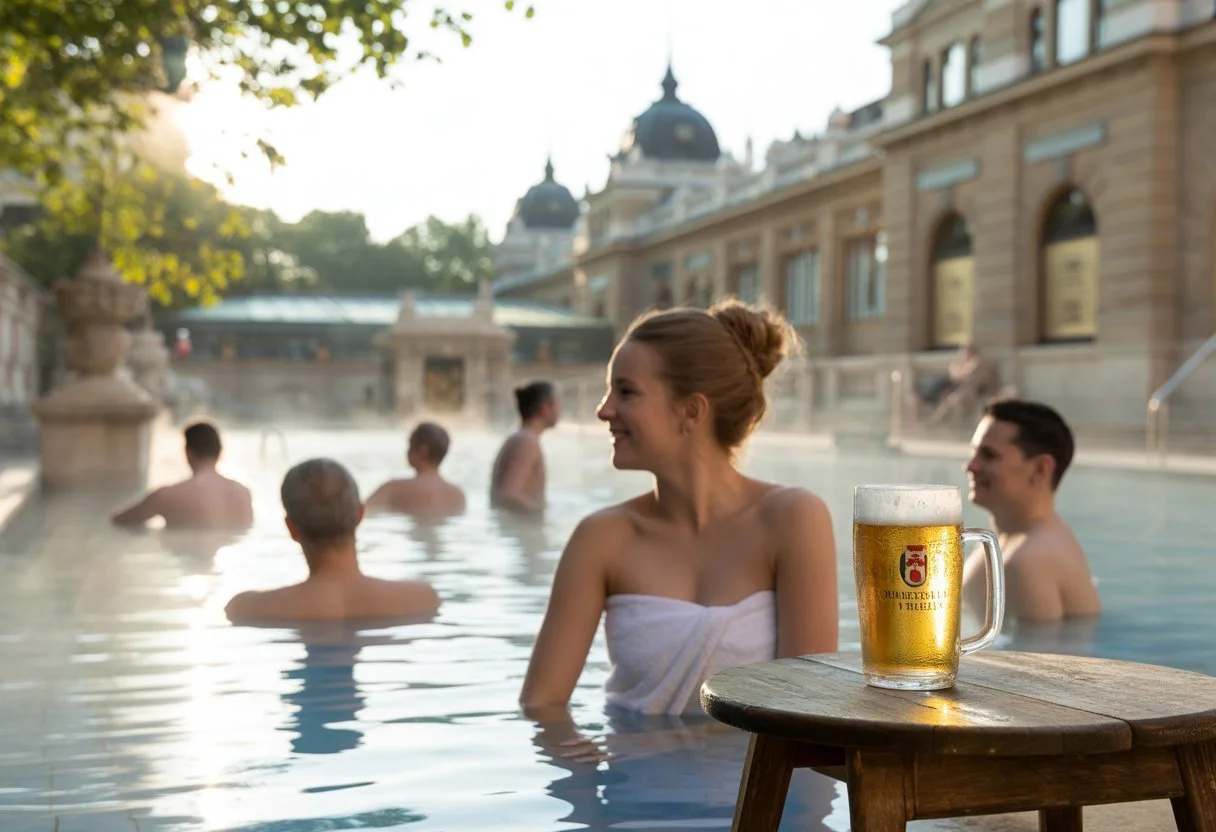
The ideal Budapest day pairs therapeutic thermal bathing with the city’s thriving pub culture. You get both the traditional wellness experience and a hit of authentic local atmosphere in a single afternoon.
Most of Budapest’s major thermal baths sit within easy walking distance of excellent traditional pubs and craft beer bars. So you can experience two essential parts of Hungarian culture without rushing all over the city.
This approach is flexible. Start your afternoon at grand Széchenyi Baths in City Park, then wander to nearby Pest-side pubs—or pick Ottoman-era Rudas on the Buda riverbank and finish at a traditional spot along the Danube.
Either way, you’re following a rhythm locals have honestly perfected over generations.
Key Takeaways
Budapest’s thermal baths offer genuine health benefits from mineral-rich waters heated by natural springs throughout the city.
Choosing your bath based on location puts you within easy reach of Budapest’s best traditional and craft beer pubs.
Knowing basic bath etiquette and nearby pub options helps you plan an afternoon that feels truly Budapest.
A Brief History of Budapest’s Bath Culture
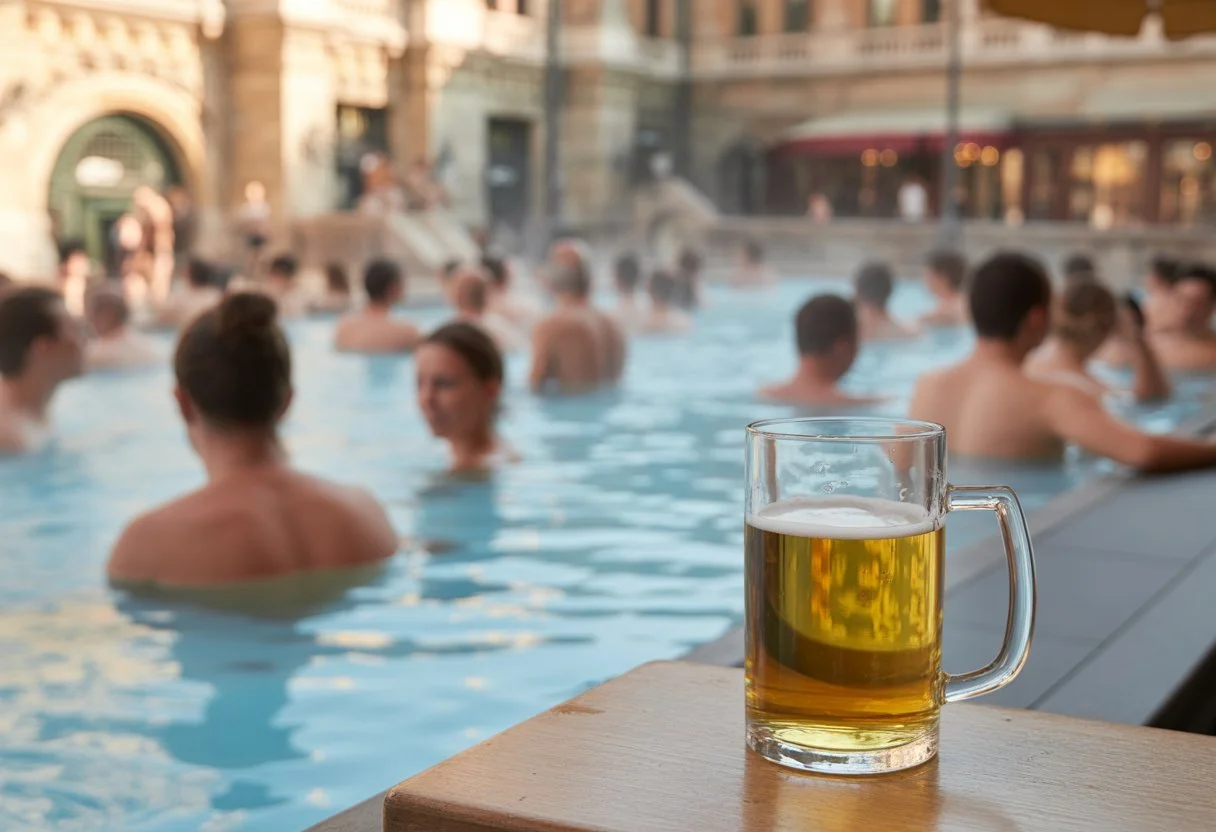
Budapest sits on over 100 thermal springs along the Danube fault line. This spot gave rise to a bathing tradition that’s nearly 2,000 years old.
The Romans built the first bathhouses here. Later, the Ottomans added Turkish hammams, and by the 19th century, architects transformed the city into Europe’s spa capital.
Ancient Roman Influence and Hot Springs
The Romans discovered Budapest’s thermal waters in the 1st century AD when they set up Aquincum, now Óbuda. They built military bathhouses to help heal injured soldiers and give settlers a social gathering place.
You can still check out the foundations of these old baths at the Aquincum Museum. Roman engineers created heating systems and aqueducts to move the warm, mineral-rich waters from springs along the Danube.
These early baths were much more than just a place to get clean. Romans gathered there to talk politics, do business, and unwind after long days.
The thermal springs produced water from 21°C up to a steamy 78°C, which made them great for different kinds of bathing and treatments.
The Ottoman Era and Turkish Baths
When the Ottomans conquered Buda in 1541, they brought hammam culture along. They built several Turkish baths that still operate today—Rudas Bath, with its 16th-century octagonal pool and domed ceiling, is the best known.
Key Ottoman baths still in use:
Rudas Bath – original Turkish dome and pools
Király Bath – built within city walls for safety during sieges
Veli Bej Bath – a smaller, more intimate Ottoman-style bath
The Ottomans saw bathing as both spiritual and physical. Their hammams mixed steam rooms, warm pools, and massage spaces in ways that shaped Budapest’s bathing culture for centuries.
Neo-Baroque and Art Nouveau Developments
Budapest became known as the "City of Spas" in the late 19th and early 20th centuries. Grand bathhouses started blending architectural elegance with medical wellness treatments.
Széchenyi Bath opened in 1913 as Europe’s biggest medicinal bath complex. Its Neo-Baroque yellow buildings and outdoor pools are now Budapest’s most recognisable spa landmark.
Gellért Bath opened in 1918, bringing Art Nouveau flair to thermal bathing. Ornate mosaics, sculptures, and stained glass turned the spa into something genuinely luxurious.
These palaces of water put Budapest on the map as a wellness destination. They combined Hungary’s thermal traditions with European spa culture, drawing visitors looking for both relaxation and medical treatments.
The Most Iconic Thermal Baths to Experience
Budapest has over 50 thermal baths, but honestly, four really stand out. Each one offers something different—Europe’s biggest spa, Ottoman-era pools hidden from crowds, or just a pure local vibe.
Széchenyi Thermal Bath: Budapest’s Landmark Spa
Széchenyi Thermal Bath is the largest medicinal bath in Europe and Budapest’s most famous spa. You’ll find it in City Park, inside a Neo-Baroque complex that’s welcomed millions since 1913.
The place has 18 pools—3 outdoors and 15 indoors—ranging from 28°C to 40°C. The outdoor pools stay heated all year, so you can soak in steaming thermal water even with snow swirling around you.
Locals and tourists both love Széchenyi. People play chess on floating boards in the outdoor pools, a Budapest classic.
There’s even a palm house upstairs, where you can lounge among tropical plants between dips.
What to expect: It gets crowded, especially on summer afternoons and weekends. Queues sometimes stretch over 30 minutes at peak times. The vibe is lively, not exactly tranquil, but the sheer scale and beauty make Széchenyi a must for first-timers.
Rudas Bath: Rooftop Views and Ottoman Heritage
Rudas Bath mixes 16th-century Ottoman architecture with modern wellness facilities. Turkish Pasha Sokollu Mustafa built it, and it’s been operating for more than 460 years—pretty wild, right?
The octagonal Turkish pool sits beneath a gorgeous dome with coloured glass. Green marble columns and low, moody lighting make the historic section feel like a step back in time.
What really makes Rudas special is the rooftop panorama pool. It’s perched above the Danube on the Buda side, offering killer views of the river, Chain Bridge, and Parliament Building.
The rooftop opens day and night, and evening sessions are something else—Budapest lit up below you. The bath has separate men’s and women’s days in the Turkish section, plus mixed days when everyone’s welcome. Check the schedule before you go if you’re picky about pools.
Lukács Bath: The Local Favourite
Lukács Thermal Bath is where locals go to unwind. The bath, discovered over 800 years ago, built its reputation for healing across Europe.
Marble tablets line the walls, left by visitors who swear they found healing here. Some of these plaques are decades old, creating this quirky, historic vibe you won’t get at the touristy spots.
Lukács draws mostly Budapestians—especially retirees who soak, chat, and play cards by the pool. The pace is slow, the crowd is Hungarian, and it’s as authentic as it gets.
The complex has both thermal pools and a swimming pool with lanes if you fancy a proper workout. Hungarian writers like Géza Ottlik and István Örkény loved Lukács, and it still has that bohemian feel. Prices are lower than Széchenyi or Gellért, so it’s a great value for a long, mellow visit.
Veli Bej Bath: Hidden Ottoman Gem With Luxury
Veli Bej Bath boasts the largest pool you’ll find in any Turkish bath in Europe—an octagonal showpiece anchoring this beautifully restored Ottoman spa. Despite its quality, Veli Bej flies under the tourist radar, so it’s much quieter than the city’s big names.
The architecture really transports you to 16th-century Ottoman Hungary. Original stonework, domed ceilings, and tastefully restored interiors create an authentic atmosphere, but with modern comforts.
Veli Bej stands out for its chemical-free water purification system. While most Budapest baths use chlorine, Veli Bej keeps the water clean without harsh chemicals, so it’s gentler on skin and eyes.
The spa offers wellness and medical services alongside traditional bathing. The place is intimate, so you’ll share the pools with just a handful of people—much more peaceful than Széchenyi or Gellért.
Seasonal and Speciality Spa Experiences
Budapest’s thermal bath scene isn’t just about the famous year-round complexes. There are seasonal outdoor pools and smaller neighbourhood baths that locals love. Night-time spa parties at Széchenyi and Rudas flip the usual daytime vibe on its head, too.
Palatinus Baths and Summer on Margaret Island
Palatinus Strand opens from May through September, taking up a big chunk of Margaret Island’s north end. The place has eleven pools—wave pools, thermal pools, adventure pools, and even a proper 50-metre swimming pool—scattered across grounds that feel more like a water park than a classic medicinal bath.
Entry costs about 5,000–6,000 HUF (£11–13) for adults during summer. The thermal pools stay between 26–38°C, while the recreational pools are cooler.
Margaret Island sits in the Danube between Buda and Pest. You can reach Palatinus by tram (4 or 6 to Margaret Bridge) and then walk, or take bus 26 straight to the entrance. The old trees and river views make it a weekend favourite for Budapest families.
The bath closes entirely from October through April, so it’s strictly a warm-weather pick.
Intimate and Budget-Friendly: Dandár Thermal Bath
Dandár sits in District IX on the Pest side, tucked away from the main tourist routes. It's a small neighborhood bath with four pools: two thermal, one swimming, and one for kids.
The facilities are basic but do the job. Adult entry is about 3,500 HUF (£8) on weekdays, making it the cheapest thermal bath in central Budapest.
The thermal pools draw water at 38°C and 43°C from the same aquifer as the big-name baths. The crowd is mostly local—think Hungarian pensioners going through their daily routine, not tourists on the hunt for Instagrammable moments.
The building dates back to the 1930s and got a facelift in the 1970s. If you're expecting Austro-Hungarian grandeur, you'll probably be surprised—it's more Soviet-functional than anything else.
They're open daily 6:00–20:00, and you never really need to book ahead, not even on weekends. It's just a 10-minute walk from Kálvin tér metro station on the M3 line.
The Allure of Night-Time Spa Parties
Széchenyi throws Saturday night "Sparty" events about twice a month in summer, turning the outdoor pools into a wild open-air nightclub. There are DJs, light shows, and the bar keeps going until 2:00 or 3:00 in the morning.
Entry usually runs 7,000–9,000 HUF (£15–20) and covers bath access. Rudas offers its own take—"Rudas Night"—on Friday and Saturday evenings, but it's a bit more chill, with the focus on the rooftop pool and Danube views rather than a full-on party vibe.
The Ottoman section at Rudas stays separate and keeps its meditative feel. Both events pull in a mostly 20s and 30s crowd, and the vibe is all about socializing, not soaking for your health.
Definitely book tickets online ahead of time—they sell out fast.
Current Renovations and Practical Updates
Budapest's thermal baths are in flux right now. Gellért Bath closed in October 2025 for a long restoration, and Király Baths is gearing up to reopen after its own renovations.
Gellért Bath: Art Nouveau Icon Under Restoration
Gellért Baths closed on 1 October 2025 and won't be back until 2028. This is the building's biggest renovation since it opened in 1918.
The €51 million overhaul will restore the famous Art Nouveau main hall, barrel-vaulted glass roof, Zsolnay mosaics, and stained glass windows. They're also adding a rooftop panoramic sauna, a bigger wellness wing, and brand-new water systems.
You can still snap photos of the exterior from Liberty Bridge. The building remains a landmark at the base of Gellért Hill.
Your best alternatives while Gellért is closed: Rudas Baths (for the Ottoman dome and rooftop pool), Széchenyi Baths (Europe's largest), or Lukács Baths (where you'll actually find locals). The reopening is set for 2028, but honestly, Hungarian heritage projects are rarely on time—expect a possible delay.
Király Baths: Ottoman Relic Reopening Soon
Király Bath is a small 16th-century Ottoman bathhouse in District II. It's just been renovated and offers a more intimate vibe than the big complexes.
The main draw is the original Turkish dome and octagonal pool, dating back to 1565. Király isn't as ornate as Gellért but has more historical weight, with authentic Ottoman architecture that's mostly survived the centuries.
Check if it's open before you go—smaller baths like Király sometimes close for maintenance. When it's running, it's one of Budapest's most atmospheric thermal experiences.
Planning Your Visit: Tips, Etiquette, and What to Bring
Budapest's thermal baths take a little planning. If you figure out ticketing, pack the right stuff, and pick up on local habits, you'll blend in with the regulars instead of feeling lost on your first visit.
Tickets, Budapest Card, and Entry Information
You can buy tickets at the door at any Budapest spa, but peak hours (11:00 AM to 3:00 PM on weekends) sometimes mean 30-minute waits or worse. Booking online in advance usually costs the same and lets you skip the ticket line.
Prices jump around depending on the place. Széchenyi is about 13,200-14,800 HUF for weekdays and weekends. Rudas is around 12,000 HUF for full access. Lukács is a budget option at about 7,000 HUF, and Veli Bej starts from 5,700 HUF.
The Budapest Card gives discounts at some baths but doesn't cover free entry to the main thermal spots. Double-check the current benefits before you buy, as the discount isn't always worth it.
Most baths have locker and cabin options. Lockers are cheaper but offer less privacy. Cabins add 1,000-1,500 HUF to your ticket but give you a private changing room.
What to Pack for a Day at the Baths
Bring a swimsuit. Budapest spas don't allow nude bathing except in certain single-sex wellness areas. Women need a one-piece or bikini, and men should have swim shorts or trunks.
You'll want these basics:
Flip-flops or water shoes – floors get slippery
Towel – rentals are 2,000-3,000 HUF plus deposit
Plastic bag – for your wet stuff
Water bottle – you'll get dehydrated quickly
Hair tie – if your hair's long
Most baths offer lockers or cabins, soap, and showers. Some throw in a hairdryer. Leave valuables at your hotel—locker thefts do happen now and then.
You can buy towels, caps, and toiletries at reception, but they're pricier than at outside shops.
Understanding Bath Etiquette
You need to shower before entering any pool. Shower stalls are in the changing areas. A quick rinse is fine, though a proper wash is better.
Swimwear rules are strict—no pool entry without the right gear. Swimming caps are required in lap pools, but you can skip them in thermal pools at most places.
Photo rules change from place to place. Széchenyi lets you take pictures outdoors, but Rudas doesn't allow photos at all. When in doubt, just ask a staff member first.
Keep your voice down—these are wellness spaces, not party zones (unless it's a night event). Speak quietly, especially in the indoor thermal pools.
If you get a massage or treatment, tipping is normal—leave 10-15% for your therapist.
From Spa to Pint: Pub Culture and Essential Stops Nearby
After a few hours in the thermal waters, Budapest's pub scene is the perfect follow-up. The city's ruin bars are within walking distance of most big baths, and the market halls dish out proper street food to keep you going.
Where to Find Authentic Ruin Pubs and Local Beers
The baths along the Buda embankment put you close to some of the best drinking spots in Budapest. From Rudas Baths, cross Liberty Bridge, and after a 15-minute walk, you'll hit the ruin pub district in District VII.
Ruin pubs fill abandoned buildings and courtyards with mismatched furniture and offbeat décor. They serve Hungarian craft beers like Hopfanatic and Monyo, plus local favorites such as Dreher. Most open around 4pm and stay busy until 2am or so.
Széchenyi Baths in City Park puts you near some smaller neighborhood pubs that locals actually go to. These places are cheaper than the tourist-heavy ruin bars in central Pest. Most traditional pubs pour Kőbányai Világos, a crisp lager, for about €2 a pint.
The area around Matthias Church and Fisherman's Bastion doesn't have many pubs, but you will find a few wine bars with Hungarian selections. Tokaji and Egri Bikavér are a solid match for post-bath unwinding.
Pairing Baths With Budapest's Iconic Landmarks
Gellért Hill sits right above Rudas Baths, and the 20-minute climb gives you an unreal view across the Danube to Parliament. It's worth the effort, honestly.
Buda Castle is just a short walk from both Rudas and the now-closed Gellért Baths. The castle houses the Hungarian National Gallery, and you can even tour the caves under the palace. If you've got a Budapest Card, you'll get free entry to the gallery and some discounts at nearby spots.
From Széchenyi Baths, Vajdahunyad Castle is right across the park lake. The Hungarian State Opera House is 2km south on Andrássy Avenue—hop on the metro and you're there in under 10 minutes. The Budapest Zoo shares the park with the baths, so it's easy to fit both into one afternoon.
Street Food Favourites and Market Hall Experiences
Great Market Hall, Budapest's largest indoor market, sits near Liberty Bridge in central Pest. The ground floor bursts with fresh produce, paprika in every form, and stacks of Hungarian salamis.
Upstairs? That’s where you’ll find lángos (fried dough with sour cream and cheese) and kürtőskalács (chimney cake) wafting their sweet, irresistible scents.
If you’ve just finished a soak at Lukács or Veli Bej, you can walk to the market in about 15 minutes. They open up shop Monday through Saturday at 6am, though Mondays wrap up early at 3pm.
Outside most big tourist spots—think Buda Castle or Fisherman's Bastion—vendors grill up traditional kolbász (sausage). For about €3, you get a juicy sausage with mustard and bread. Not bad at all.
Local bakeries tucked near the baths crank out rétes (strudel with apple, cherry, or poppy seed). I’d say grab one on your way to the pub; it’s a quick snack and usually under €2.
