What to Do in Budapest When It’s Pouring Down: Rainy Day Delights for Visitors
Rain in Budapest doesn’t have to ruin your trip. This city’s packed with indoor attractions and cozy hideouts that’ll keep you entertained no matter what’s happening outside.
From lounging in thermal baths while the rain taps on the windows to getting lost in museums or sampling Hungarian treats in bustling covered markets, you’ll have plenty to discover.
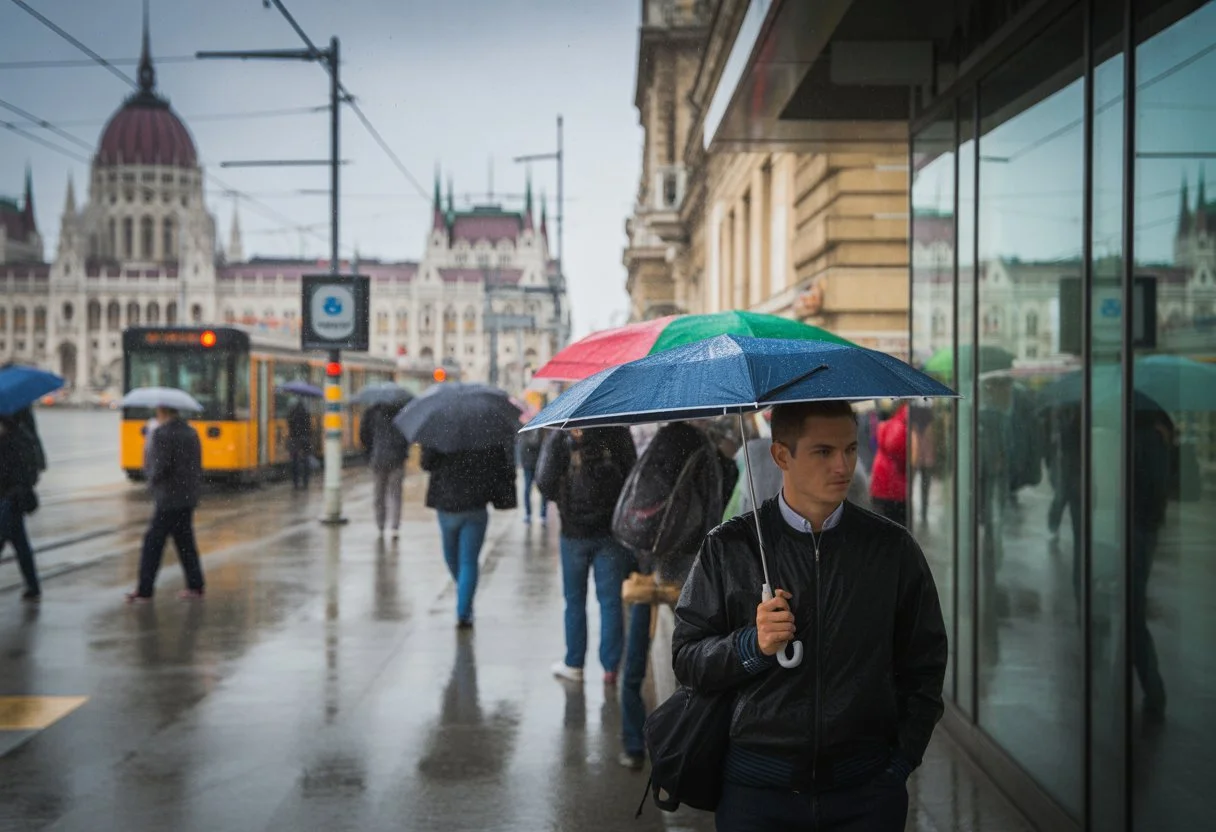
Honestly, Budapest in the rain can feel even more magical—think steamy baths, grand old cafés, and jaw-dropping interiors waiting to welcome you in from the drizzle.
The indoor scene here bursts with history, flavor, and little surprises that most tourists miss if they stick to outdoor sightseeing.
Maybe you’ll dive into Hungarian history at a museum, hunt for paprika at the Great Market Hall, catch a show at the Opera House, or test your wits in an escape room.
Sometimes, a gray day is the best excuse to see the Budapest locals know and love.
Key Takeaways
Budapest’s thermal baths are a warm, relaxing escape on rainy days—soaking while rain falls is a must-try.
Museums, markets, cafés, and historic buildings give you endless ways to explore indoors.
Escape rooms, ruin bars, and live shows mean there’s something for every taste and age, even when it pours.
Soak and Unwind at Budapest's Legendary Thermal Baths
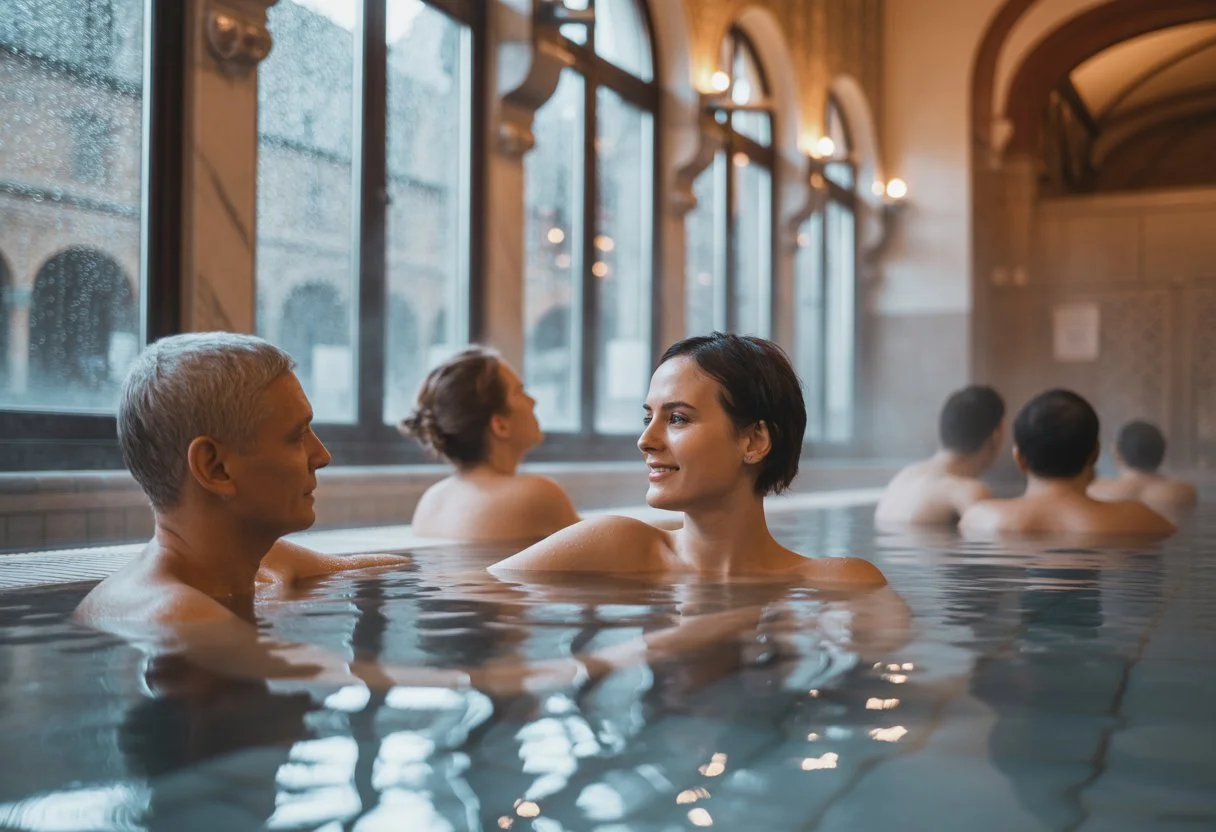
When rain hammers the streets, Budapest’s thermal baths become a cozy refuge. These pools stay toasty all year, and most spots let you soak in mineral-rich waters without a single drop landing on your head.
Széchenyi Thermal Bath: Grand Bathing Indoors and Out
Széchenyi Thermal Bath sits right in City Park and claims a spot among Europe’s biggest spa complexes. Its bright yellow Neo-Baroque building houses 18 pools, and you’ll find 15 of them indoors—no umbrella needed.
Inside, the thermal halls offer waters from 26°C to 40°C, so you can hop between temperatures without ever stepping outside. Doors open at 7:00 AM on weekdays, and most nights you can stay until 20:00 (or 22:00 on Fridays if you’re a night owl).
If you’re up for it, the three outdoor pools are extra atmospheric in the rain—steam billows everywhere and the whole place feels otherworldly. You can snag tickets online to dodge the entrance line. Fancy a massage or some wellness pampering? They’ve got that too.
Gellért Baths: Art Nouveau Elegance Under Cover
Gellért Baths closed for major renovations in 2022 and won’t reopen until at least 2026. So unfortunately, you’ll have to skip this Art Nouveau gem for now.
Before the closure, Gellért wowed visitors with its columns, mosaics, and sculptures in the indoor pools. The restoration work is ongoing, but there’s no confirmed reopening date yet.
In the meantime, Széchenyi and Rudas offer their own blend of history and architecture, with full indoor facilities to keep you dry.
Rudas Baths: Rooftop Jacuzzi and Turkish Heritage
Rudas Baths blend centuries-old Ottoman architecture with modern spa perks. The original Turkish bath hides under an octagonal dome, blocking out the rain completely.
Thermal pools here run from 28°C to 42°C, and stone columns plus moody lighting make it feel like you’ve stepped back in time. You can easily while away a few hours moving between the pools, all under cover.
If you’re feeling brave, the rooftop jacuzzi puts you out in the elements—but honestly, soaking in warm water while rain falls and the city skyline glows is unforgettable. Steam rising into the mist just adds to the vibe. Rudas opens early and offers late-night bathing on weekends.
Local Gems: Lukács Bath and More
Lukács Bath draws more locals than tourists, so you get a genuine Budapest experience. The indoor thermal pools, swimming pool, and covered saunas and steam rooms mean you’ll stay dry and relaxed.
Writers and artists have hung out at Lukács for decades; you’ll spot plaques on the walls thanking the waters for their healing powers. Temperatures range from 22°C to 40°C, and the whole place feels a bit less touristy.
Other neighborhood favorites like Veli Bej and Király Baths offer intimate Ottoman-era settings and rarely get crowded—even on rainy days. Entry to most Budapest baths runs between 3,000 and 7,000 HUF for a basic ticket.
Cultural Treasures: Museums, Galleries, and History
When the Danube gets moody and the rain starts falling, Budapest’s museums and galleries are perfect hideouts. You’ll find everything from Renaissance masterpieces in palace halls to Cold War bunkers tucked underground, plus some bold contemporary art that might surprise you.
Hungarian National Gallery and Budapest History Museum
Both the Hungarian National Gallery and Budapest History Museum sit inside Buda Castle’s Royal Palace—ideal for a rainy day. The National Gallery sprawls across five floors, tracing Hungarian art from medieval altars to postwar oddities.
You’ll spot dreamlike landscapes by Tivadar Csontváry Kosztka and realist works from Mihály Munkácsy. The palace dome features airy, wire-like sculptures, and if the weather clears, you can head up to the viewing platform.
The Budapest History Museum fills another palace wing. Its In Pursuit of Lost Times exhibition covers Carpathian Basin prehistory, while Budapest – Light and Shadow dives into a thousand years of city life.
Book a slot to see the jaw-dropping St Stephen’s Hall through the museum’s website. Tickets run Ft 5,400 (€13.50) at the National Gallery and Ft 3,800 (€9.50) at the History Museum. Both open daily from 10am to 6pm—plenty of time to wait out a downpour.
Hospital in the Rock: Underground Wartime Secrets
Sixteen meters beneath Buda Castle, Hospital in the Rock delivers one of Budapest’s most atmospheric rainy-day adventures. This secret hospital and nuclear bunker served during World War II and the 1956 Revolution, treating thousands underground. It’s always a brisk 16°C inside, so maybe bring a sweater even if it’s summer.
Guided tours lead you past wax figures of medics and patients, original surgical gear, and preserved hospital beds. You’ll see Cold War-era decontamination showers and thick radiation-proof doors, all in their original spots.
Tours run in English throughout the day and last about an hour. You’ll need to book ahead—space is tight down there.
Contemporary Art and Light Installations
The Ludwig Museum in the Millennium Quarter focuses on contemporary art from Central and Eastern Europe, but you’ll also spot some Roy Lichtenstein pop art. Entry is Ft 4,500 (€11.25) for the permanent collection and two temporary shows. They’re open Tuesday to Sunday, 10am to 6pm.
For something really different, Budapest’s Light Art Museum offers immersive installations that play with color, projection, and interaction. The exhibits change often, so you never quite know what you’ll find.
The Mai Manó Hungarian House of Photography sits in a gorgeous, ceramic-clad building from the 1890s. The highlight? The original royal court photographer’s studio, still intact. Temporary exhibitions spotlight contemporary Hungarian photographers. Entry is Ft 3,600 (€9); doors open Tuesday to Sunday, noon to 7pm.
Hidden Gems and Unusual Museums
The Budapest Pinball Museum packs Europe’s biggest interactive collection of vintage pinball machines into a basement in Újlipótváros. About 130 consoles are ready for action, from 1880s bagatelles to a 1940s Humpty Dumpty game. Your ticket lets you play as much as you want.
Kiscelli Museum, housed in an 18th-century former monastery in Óbuda, tells Budapest’s story from the 1700s to the late 19th century—think stained glass, antique furniture, and old shop signs. In 2025, they even featured a temporary exhibit on the telephone’s development (Hungarians played a key role, who knew?).
The Holocaust Memorial Centre wraps around a 1920s synagogue in District IX. Interactive displays and personal artifacts—glasses, toys, and more—bring history to life. Entry is Ft 3,600 (€9), and most temporary exhibitions are free. They’re open Monday to Friday and Sunday, 10am to 6pm, but closed on Saturdays.
Architectural Icons: Guided Tours Inside Budapest's Landmarks
Some of Budapest’s most jaw-dropping buildings double as rainy day shelters. The Hungarian Parliament Building, St. Stephen’s Basilica, and Matthias Church all let you step inside centuries of history and craftsmanship (and dry off in style).
Hungarian Parliament Building: Neo-Gothic Grandeur Indoors
The Parliament Building towers over the Danube and is one of Europe’s largest legislative palaces. Inside, you’ll wander up the main staircase, dripping with gold leaf and frescoes, before reaching the Dome Hall where the Hungarian Crown Jewels shine under guard.
Tours last about 45 minutes and cover the most impressive rooms. The building actually has 691 rooms, but you’ll just see the highlights. Book ahead on the official website—they sell out fast.
The Neo-Gothic design includes 40 kilograms of gold, endless red carpets, and nearly 100 statues. Guides point out quirky details, like how some measurements nod to key dates in Hungarian history.
St. Stephen's Basilica: Ornate Interiors and Panoramic Views
St. Stephen’s Basilica took more than 50 years to finish and stands 96 meters tall—tying the Parliament for Budapest’s tallest landmark. Inside, you’ll find marble columns, mosaics, and paintings from Hungary’s best 19th-century artists. The main altar holds a statue of St. Stephen, Hungary’s first king.
The basilica’s most famous relic, the Holy Right Hand, sits in a side chapel. If you’re up for a climb, 364 steps (or a partial elevator ride) get you to the dome’s observation deck. On clear days, the views are spectacular, but even in a downpour, the interior makes the visit worthwhile.
Guided tours dive into the basilica’s construction headaches—like the original dome collapsing in 1868. Entry is technically free, but donations are appreciated. There are separate fees for the treasury, tower, and audio guides if you want the full experience.
Matthias Church: Painted Vaults and Stained Glass
Matthias Church rises in the Buda Castle District, its diamond-patterned Zsolnay roof tiles catching the eye from across Budapest. Step inside and you'll spot intricate geometric designs and religious scenes on the walls and vaulted ceilings—these details were restored in the late 19th century.
The church once served as a mosque during the Ottoman occupation, layering its architectural story with some unexpected twists. Frigyes Schulek led a neo-Gothic restoration that peeled back later additions to reveal medieval frescoes hiding underneath.
You'll wander past the elaborate Trinity Chapel and the ornate Mary Portal, then maybe pause at the ecclesiastical art collection tucked into the church museum. Stained glass windows scatter colored light across the painted surfaces, creating an atmosphere that's honestly tough to capture in photos.
Tours dive into the church's role in Hungarian coronations and its ties to King Matthias Corvinus. If you're considering a visit to Fisherman's Bastion next door, combined tickets save a bit, but honestly, the bastion loses some charm in bad weather—while Matthias Church stays impressive come rain or shine.
Rain-Proof Local Experiences: Indoor Markets, Shopping, and Foodie Finds
Budapest's indoor markets and covered shopping spots give you a break from the rain and a peek into local life. You can browse Hungarian products, grab street food, and slip into a cozy café without worrying about getting drenched.
Great Market Hall: Tasting Hungarian Flavours Under One Roof
The Great Market Hall stands tall as Budapest's biggest and most iconic indoor market. You'll find it at the Pest end of Liberty Bridge, housed in a three-storey building that keeps you dry as you wander among hundreds of stalls.
Downstairs, vendors pile up fresh produce, meats, and Hungarian specialties. Expect to see jars of paprika (mild to fiery), strings of dried peppers, bottles of pálinka, and plenty of local cheese and cured meats like kolbász.
Upstairs, the first floor tempts with ready-to-eat food and souvenirs. Try lángos—deep-fried dough slathered with sour cream, cheese, and garlic—or grab goulash soup, chimney cakes, and old-school pastries from other stands.
The market opens Monday to Saturday, though hours shrink a bit on Saturdays. Show up hungry and bring cash, since some stalls still don't take cards. The building itself flaunts neo-Gothic architecture and colorful roof tiles—worth a look even if you're not shopping.
Coffee Houses and Cosy Cafés
Budapest's historic coffee houses offer a stylish escape from the drizzle. New York Café dazzles with chandeliers, frescoed ceilings, and gilded trim—it's pricey, but honestly, it's an experience you won't forget.
Gerbeaud, right on Vörösmarty Square, has been serving coffee and cakes since 1858. The Dobos torte—a layered sponge cake with chocolate buttercream and caramel—is a must-try. Central Café, which reopened after decades, still shows off its 1887 décor and classic Hungarian desserts.
Smaller cafés in the neighborhoods feel a bit more personal. If you wander the Jewish Quarter, you'll stumble into places where locals actually start their mornings. Most serve solid espresso drinks and pastries at prices that won't sting.
Shopping in Covered Arcades and Boutiques
When the skies open up, Budapest's shopping centers and covered passages keep you dry and entertained. WestEnd City Centre and Arena Plaza pack in international brands, restaurants, and even cinemas—all under one roof.
For a moodier vibe, check out the covered passages in District V. These arcades hide small boutiques with Hungarian-designed clothes, jewelry, and home goods. The Paris Court on Ferenciek tere stands out for its art nouveau style and independent shops.
In the Jewish Quarter, the Szimpla Kert area has indoor vintage shops and quirky design stores. You'll dig up second-hand clothes, retro furniture, and handmade crafts. Most shops here keep their doors open, rain or shine.
Performing Arts and After-Dark Entertainment
Budapest's cultural venues and nightlife offer a warm, lively refuge from the rain. Whether you're into grand opera houses or tucked-away jazz cellars, these indoor spots turn a gloomy evening into a chance to soak up Hungarian culture.
Hungarian State Opera: Guided Tours and Evening Performances
The Hungarian State Opera House stands out as one of Europe's most beautiful 19th-century theatres. If the weather's grim, sign up for a guided tour—you'll wander through Neo-Renaissance halls, golden balconies, and rooms covered in ornate frescoes. Tours run daily and last about 45 minutes.
Evenings bring a different kind of magic. The opera house hosts ballet, opera, and classical concerts most nights. You don't have to be an opera buff to appreciate the show—the building, with all its chandeliers and plush velvet seats, just adds to the experience.
Tickets start at reasonable prices for balcony seats, but orchestra spots get pricey. Most locals dress up for evening shows, though smart-casual works fine. It's smart to book tickets ahead, especially for popular nights.
Classic and Art Cinemas
Budapest's cinema scene stretches far beyond the usual multiplexes. Art cinemas like Művész and Örökmozgó show indie films, documentaries, and foreign flicks—usually with Hungarian subtitles. Most English-language movies play in their original versions.
The Corvin Cinema, set in a beautifully restored building, screens a mix of blockbusters and art house picks. Assigned seating is the norm, and you can choose your spot when booking online. Tickets cost less than what you'd pay in most of Western Europe.
Rainy days are perfect for matinees, while evening screenings fill the hours after dark. Many cinemas even have chill cafés for hanging out between films.
Live Music Venues and Concert Halls
Budapest's live music scene thrives in venues that feel tailor-made for rainy nights. You'll find everything from classical concerts at the Liszt Academy to jazz in cozy cellars. Akvárium Klub brings indie and rock bands to a sunken space near Deák Ferenc Square.
Jazz fans gravitate to the Budapest Jazz Club, where local and international musicians play in intimate rooms. Most gigs start around 8 or 9 PM. Ruin bars like Szimpla Kert sometimes host live acoustic sets along with regular DJ nights.
Classical lovers can catch concerts at St Stephen's Basilica, where the acoustics make organ and chamber music sound even richer. These shows usually last just over an hour and run all year, regardless of the weather.
Quirky Escapes: Ruin Bars, Escape Rooms, and Indoor Adventures
Budapest basically invented ruin bars and escape rooms, so it's a fantastic city for indoor exploring when the weather turns. These creative, weatherproof spots let you experience the city's playful side—no umbrella needed.
Exploring Budapest's Ruin Bars
Ruin bars have turned Budapest's forgotten courtyards into must-see hangouts. Locals started the trend by decorating abandoned District VII spaces with fairy lights, mismatched furniture, and all kinds of salvage from the socialist era.
Szimpla Kert is the original and probably the most famous. It sprawls across two floors with nine bars, serving over 400 drinks. You'll see graffiti everywhere, old East German cars turned into seats, and even bathtubs as furniture. The place opens from 3pm to 4am on weekdays and hosts an organic farmers' market on Sunday mornings.
Instant-Fogas combines two venues into a sprawling 1,200-square-metre complex, each room with its own music style. Unterwelt pumps out party hits, Liebling offers a rooftop chill-out, and Frame goes heavier. Each bar keeps its own vibe, but they all share the same roof.
For something smaller, Csendes closes at midnight and focuses on cocktails and wine, while Élesztőház is the go-to for craft beer and burgers. Most ruin bars charge about €5 for a beer and €6–€10 for cocktails.
Immersive Escape Rooms and Themed Cafés
Budapest takes credit for inventing escape rooms, and now there are dozens to choose from. These puzzle games last about an hour and work for groups of two to six—perfect for a rainy afternoon.
The rooms run all day, so you can easily fit one in if outdoor plans get washed out. You'll find themes from historical mysteries to wild sci-fi. It's all about teamwork and problem-solving, not physical strength.
Themed cafés offer another cozy alternative. These spots blend food and drink with quirky concepts, from vintage style to literary décor. Many stay open late and give you a comfy place to hang out until the rain passes.
Creative Workshops and Board Game Cafés
Board game cafés offer hundreds of games to try while you snack and sip whatever you like. The staff actually take time to explain the rules, and they’ll even suggest games that fit your group’s vibe or size.
You usually pay a small fee per person, on top of whatever you order from the menu. It’s a relaxed way to spend a few hours—though sometimes, honestly, it’s tough to pick just one game.
Creative workshops pop up all over Budapest at different times of day. You might stumble into a pottery class, a painting session, or some quirky craft workshop you never even knew existed.
Most places handle materials and instructions, and yes, they usually speak English. Sessions run two or three hours, so you’ll want to book ahead if you’ve got your heart set on something.
