Top 5 Irish Foods: A Savoury Adventure for Hungry Tourists in Budapest
Irish food tells the story of a country shaped by its land, coast, and generations of home cooking. The cuisine leans on simple, fresh ingredients—potatoes, meat, dairy, seafood.
These basics become comforting meals through traditional methods passed down in families.
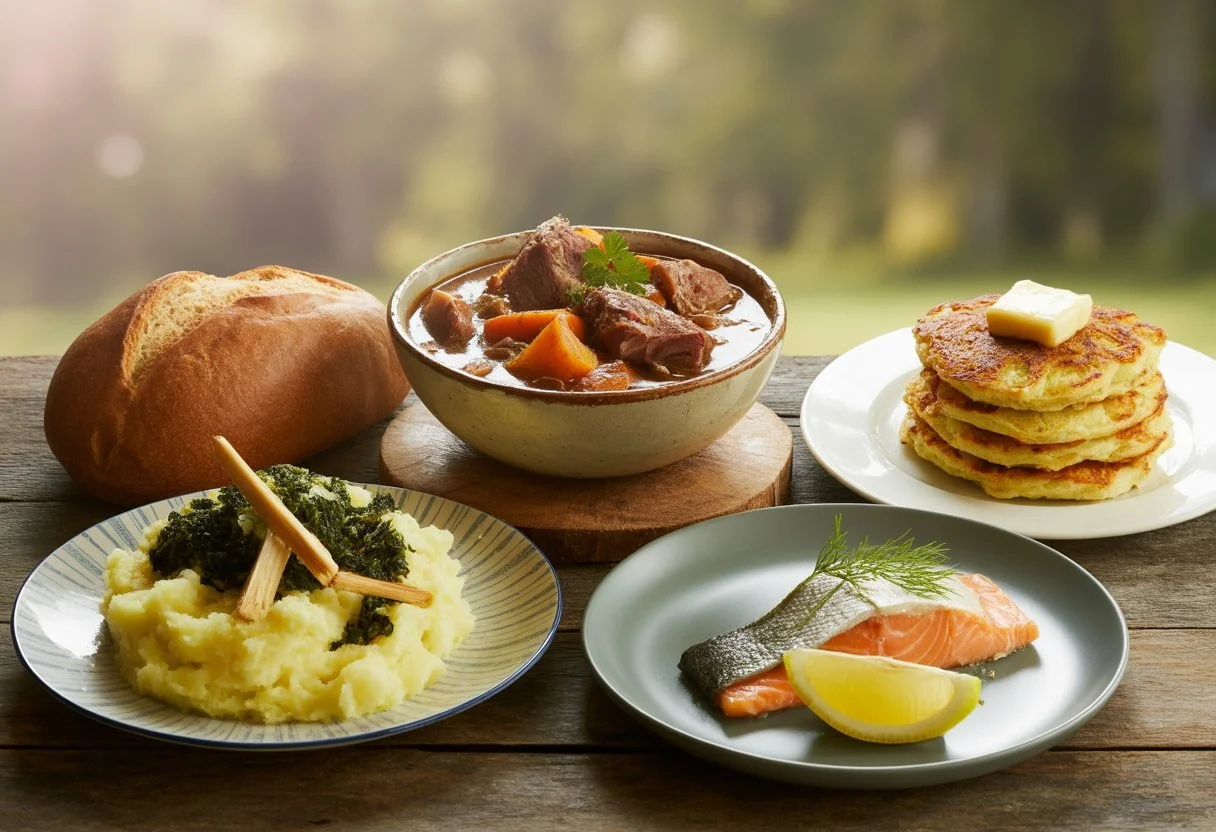
Traditional Irish food means hearty stews, fresh-baked breads, creative potato dishes, and full breakfasts that have filled Irish tables for centuries. Irish cuisine doesn't fuss with fancy techniques or complicated recipes.
It's about making the most of what's around and turning it into filling meals that bring people together. From coastal villages serving fresh oysters to farmhouse kitchens simmering Irish stew, the food feels practical and honest.
When you dig into Irish food culture, you'll find dishes that seem simple but carry deep meaning. Each recipe has roots in Ireland's history and farming life.
Soda bread made with buttermilk or colcannon mixing potatoes with cabbage—these foods show how Irish cooks transformed basics into traditions.
Key Takeaways
Irish cuisine centers on simple, hearty dishes—think potatoes, meat, bread, and fresh local produce.
Stews, potato dishes, and soda bread reflect Ireland's farming heritage and family cooking traditions.
Irish food culture values filling, comforting meals that follow the seasons and make practical use of what's at hand.
Irish Stew: Hearty Tradition in a Bowl
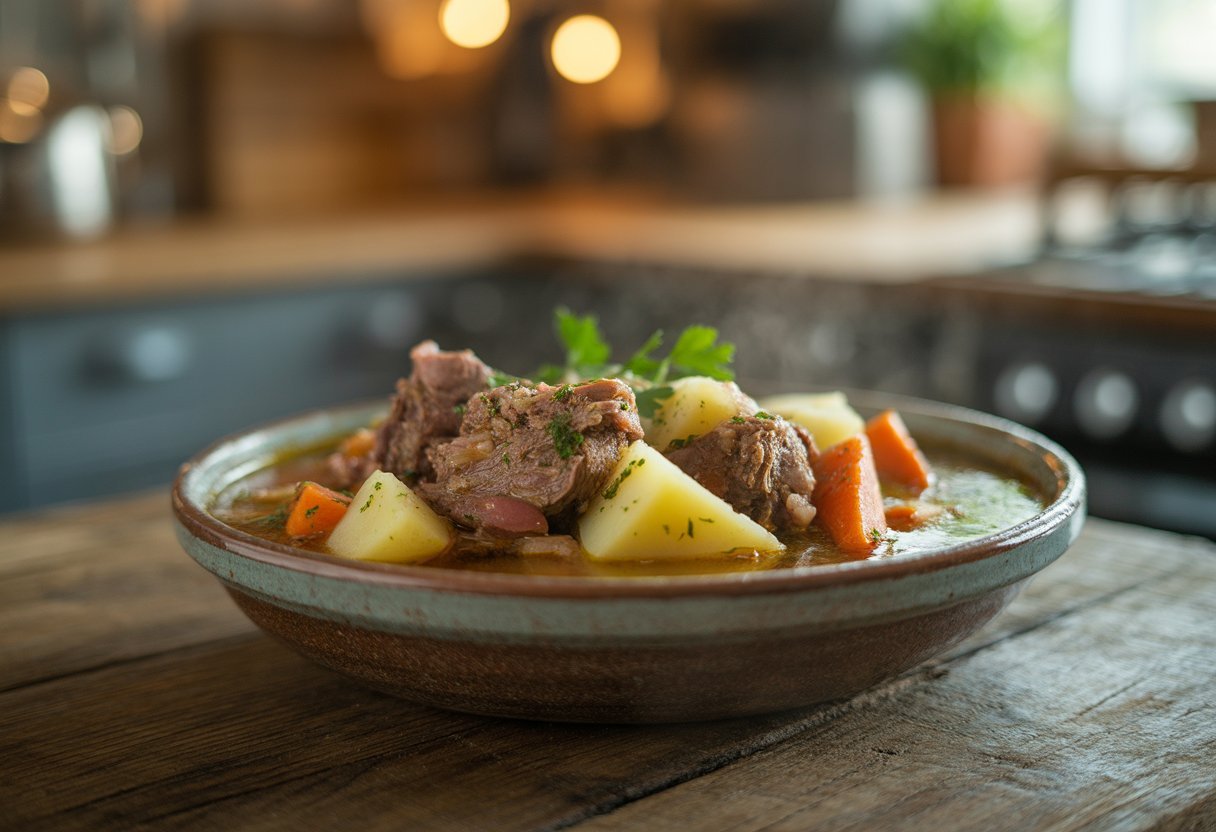
Irish stew stands out as one of Ireland's most beloved dishes. Built around lamb or mutton, potatoes, and onions, this one-pot meal has warmed Irish families through cold winters and showcases the country's farming roots.
Classic Ingredients and Flavours
Traditional Irish stew starts with mutton or lamb as the main protein. Mutton gives a deeper, more robust flavor, but lamb's more common now, simply because it's easier to find.
You'll want about a pound of boneless meat, cut into chunky pieces. Potatoes come next, and using a mix of waxy and starchy types works best—waxy hold their shape, starchy ones break down and thicken the broth.
Onions, carrots, and leeks round out the veggies. Some cooks toss in cabbage leaves near the end, and a few regional recipes add pearl barley for extra texture and to help thicken things up.
Beef stock forms the liquid base, though some folks stick with water to let the meat and veggies shine. Salt and black pepper usually do the trick for seasoning. The ingredient list really reflects Ireland's agricultural roots—practical, no-nonsense cooking.
Cooking Methods and Variations
Most recipes start by browning the meat in a bit of oil to build flavor. You layer the browned meat with veggies in a heavy pot, then make a simple roux with the pan drippings and flour before pouring in the stock.
Baking the stew in the oven at 175°C (350°F) gives the most even results. Gentle, steady heat keeps the meat tender. You'll need about two hours of covered cooking, and it's worth checking now and then to keep everything submerged.
Stovetop cooking works too if you keep the heat low—just don't let it boil, or the meat gets tough. Some variations include:
A splash of Guinness or Irish whiskey for depth
Root vegetables like parsnips or turnips
Dumplings added in the last half hour
Herbs such as thyme or parsley
The stew should be thick enough to coat a spoon, but not so heavy it's gluey.
Serving Suggestions
Serve Irish stew piping hot in wide, shallow bowls to show off the tender meat and veggies. Crusty bread—especially soda bread—makes the perfect partner for soaking up the broth.
Slather on good Irish butter, and maybe set out extra black pepper for those who want more kick. This dish honestly tastes even better the next day, once the flavors have had time to meld.
Store leftovers in an airtight container in the fridge for up to four days. Sure, people think of Irish stew for St Patrick's Day, but it's really too good to save for just one day. Any chilly evening calls for a bowl of this comfort food.
Soda Bread and Irish Breads: The Heart of the Table
Irish breads show off how simple ingredients can become something special with a little baking know-how. From the cross carved into soda bread to the dense, wholesome brown bread, these staples have fed Irish families for generations using just flour, baking soda, and buttermilk.
Irish Soda Bread
Irish soda bread rises thanks to a chemical reaction between baking soda and buttermilk—no yeast required. The classic recipe sticks to four ingredients: soft wheat flour, salt, baking soda, and buttermilk.
You'll recognize real soda bread by the deep cross scored on top before baking. Supposedly, it helps the bread cook evenly and, if you believe the old stories, lets the fairies out.
The bread bakes in under an hour at 190°C, making it one of the quickest homemade loaves around. Modern versions sometimes toss in raisins, caraway, or oats, but purists keep it simple. Irish soft wheat flour creates a tender crumb, quite different from yeasted breads.
When it's fresh from the oven, the crust should be golden and firm, with a soft, slightly crumbly interior. Wrap the hot loaf in a damp tea towel for a softer crust if that's your thing. Honestly, soda bread tastes best the same day, slathered with butter.
Irish Brown Bread
Irish brown bread stands apart from soda bread because it uses wholemeal flour, making a denser, darker loaf packed with fiber. You'll spot this bread on breakfast tables everywhere, usually with eggs and rashers.
The recipe still relies on baking soda and buttermilk, but the wholemeal flour brings an earthy, nutty flavor. A touch of treacle or honey adds subtle sweetness and keeps it moist. Some bakers throw in oatmeal for texture and a boost of nutrition.
Brown bread usually bakes in a loaf tin, so you get neat slices perfect for toasting. Its tight crumb makes it ideal for spreading butter, jam, or cheese without falling apart.
Waterford Blaa
The Waterford blaa is a soft, white bread roll unique to Waterford city, and it's got Protected Geographical Indication status since 2013. These pillowy rolls have a floury coating and a light, airy inside.
Blaas go back to the 17th century, when Huguenot refugees brought the recipe to Ireland's south-east coast. Unlike soda bread, blaas use yeast for leavening, which gives them their signature soft texture.
You'll find two types: soft blaas with a tender crust, and crusty blaas for more bite. Locals eat blaas for breakfast stuffed with rashers and sausages, or as a lunch sandwich.
They need to be baked fresh daily—after a few hours, they're just not the same. Authentic blaas only come from Waterford and nearby areas, so they're a true regional treat.
Potato Magic: Colcannon, Boxty, Champ and More
Irish potato dishes turn humble spuds into hearty comfort food that has kept families going for centuries. These traditional recipes mix potatoes with butter, greens, and spring onions, making perfect meals for cold, rainy days.
Colcannon: Creamy Mashed Potatoes With Greens
Colcannon combines fluffy mashed potatoes with cabbage or kale—definitely one of Ireland's most loved side dishes. The name comes from the Gaelic "cal ceannan," which means "white-headed cabbage."
Boil and mash potatoes, then mix them with cooked cabbage or kale. In autumn, a lot of Irish families swap in kale for cabbage. The dish gets its signature richness from plenty of butter and milk.
Key ingredients include:
Boiled potatoes
Cabbage or kale
Butter
Milk or cream
Spring onions (optional)
Salt and pepper
Serve colcannon with ham or bacon, or just pile it high and make a well in the center for more melted butter. Honestly, this comfort food has inspired Irish songs and still sits at the heart of family tables.
Boxty: The Beloved Potato Pancake
Boxty means "poor man's bread" in Gaelic, but you'll spot this potato pancake in restaurants all over Ireland now. The recipe mixes raw grated potatoes with mashed potatoes for a unique texture.
Mix the potatoes with flour, baking soda, milk, and eggs to make a batter. Traditional cooks fry it on a griddle for a few minutes on each side until the pancakes turn golden brown and a bit crispy outside.
Some people boil boxty like dumplings or bake it as a loaf for a modern spin. The potato pancake works for breakfast with bacon and eggs or as a dinner side. Adding buttermilk gives extra tang and a lighter bite.
Champ: Simple and Comforting
Champ keeps things even simpler than colcannon, focusing on mashed potatoes mixed with spring onions. There's no cabbage or kale here, so it's lighter and more delicate in flavor.
Traditionally, you pile champ high and make a well in the center for melted butter. Eat from the outside in, dipping each spoonful in butter. The spring onions add a gentle onion flavor without overpowering the creamy potatoes.
You'll want the best butter you can find—Irish butter is ideal for its rich taste. This comfort food comes together fast but really delivers on those chilly nights.
Potato Farls and Potato Cakes
Potato farls are square slices of potato bread made mainly from mashed potatoes. These potato cakes are a must in an Ulster fry, served with bacon, fried eggs, sausages, and pudding.
To make farls, mix mashed potatoes with flour and a pinch of salt to form a dough. Roll it out, cut into quarters (the classic farl shape), and fry on a hot griddle until golden and crisp outside, soft inside.
Grill and butter potato farls instead of frying if you prefer. They work for breakfast or as a side any time. Some recipes add buttermilk to the dough for more flavor and tenderness.
Traditional Irish Breakfast: The Morning Feast
The full Irish breakfast brings together protein-rich meats, fried eggs, and distinctive puddings. Potato-based sides and hearty portions set this morning meal apart from other breakfast traditions.
Irish Breakfast Essentials
A traditional Irish breakfast always has a few core components. Rashers (Irish bacon), pork sausages, and fried eggs usually form the base.
Baked beans add a touch of sweetness. Grilled tomatoes and mushrooms balance things out with some earthiness.
Toast or Irish soda bread, slathered with rich Irish butter, almost always shows up too. That butter packs about 82% butterfat—no wonder it tastes so good.
Most folks opt for tea instead of coffee. Ireland’s love for tea is legendary; they rank second in the world for tea consumption.
Farm workers originally needed this hearty meal to fuel long days in the fields. Now, you’ll mostly see it on weekends or at hotels and B&Bs, not every morning.
Black Pudding and White Pudding
Black pudding and white pudding really make the Irish breakfast stand out from the British version. Black pudding mixes pork blood, fat, and oatmeal into a sausage, then cooks up crispy on the outside.
White pudding skips the blood, so it’s paler and tastes milder. Some folks call both types drisheen, depending on where you are.
You might get one or both puddings, depending on local tradition or the cook’s mood. They add a savory depth that plays well with the other breakfast items.
The inside stays soft while the outside crisps up in Irish butter. It’s a texture thing that’s hard to describe but easy to love.
Potato Dishes at Breakfast
Potatoes show up in all kinds of forms on the Irish breakfast plate. Potato farls—those flatbreads made from mashed potatoes, flour, and butter—fry up golden and crispy.
Boxty is another classic. It’s a potato pancake that blends grated raw potatoes with mashed ones, so you get a unique bite.
Some cooks like to use leftover spuds for hash or even bubble and squeak. In Ulster, potato bread is a breakfast staple too.
All these potato sides soak up the flavors from the rest of the meal. They’re filling and make a perfect match with the proteins.
From Chowders to Sweets: Beyond the Classics
Irish cuisine goes way beyond stew and soda bread. You’ll find creamy seafood chowders packed with fresh catch, classic bacon and cabbage dinners, hearty Dublin coddle for a crowd, and sweet bakes like barmbrack and apple cake that nod to farmhouse traditions.
Irish Seafood Chowder and Mussels in Cream
Irish seafood chowder pulls together the best of the coast in one bowl. There’s usually white fish, salmon, and sometimes smoked salmon in a creamy, potato-thickened broth.
Some regions toss in prawns or scallops if they’re fresh that day. Mussels in cream are another coastal favorite—fresh mussels steam in white wine, cream, garlic, and herbs until they open up.
The broth turns into a rich sauce that’s just begging for some crusty bread. Irish mussels, harvested from the chilly Atlantic, are especially plump and sweet.
These dishes really show off Ireland’s love of dairy and top-notch seafood. If you’re traveling along the coast—think County Clare, Galway, or Cork—you’ll spot them on plenty of menus.
Bacon and Cabbage
Bacon and cabbage is about as traditional as it gets, though corned beef gets more attention outside Ireland. The dish uses a cured pork joint, boiled until it’s meltingly tender, then served with cabbage cooked right in the same pot.
The salty broth from the bacon flavors the cabbage perfectly. Usually, boiled potatoes and a parsley sauce (butter, flour, milk, and parsley) round out the plate.
Some families throw carrots or turnips into the pot for good measure. This meal goes back centuries, thanks to the old practice of salting and curing pork for storage before fridges existed.
Even now, lots of Irish households keep it as a Sunday dinner tradition.
Coddle and Dublin Coddle
Dublin coddle is pure comfort food, born from simple ingredients. You layer sliced sausages, bacon rashers, potatoes, and onions in a pot, pour in some stock, and let it all simmer gently.
The name “coddle” comes from this slow, gentle cooking. Traditionally, families would throw it together on Thursdays to use up leftover sausages and bacon before the weekend.
Slow cooking lets all those flavors mingle and turn into a rich, savory broth. Some recipes add barley or carrots, but purists stick to the basics.
This working-class Dublin dish even pops up in Irish literature. If you want it at its best, make it at home—or try it at a pub that still does things the old way.
Barmbrack and Irish Apple Cake
Barmbrack is a sweet yeast bread with raisins and sultanas, and those dried fruits get soaked in cold tea first. That tea-soaking step gives them a little extra moisture and a subtle flavor you might miss otherwise.
People usually slice barmbrack and spread some butter on it, then pair it with a cup of tea. Honestly, it's hard to beat on a chilly afternoon.
During Halloween, Irish families bake barmbrack with little objects tucked inside for fortune-telling. If you find a ring in your slice, tradition says you'll get married within the year, while a coin hints at coming wealth.
Irish apple cake goes a different direction with its sweetness. This rustic cake brings together fresh apples and a straightforward batter, sometimes with a bit of cinnamon or cloves mixed in.
The result isn't a fancy dessert—it's more of a teatime treat. Plenty of families serve it warm, topped with custard or cream, especially when apples are in season from September through November.
