Top 10 Irish Drinks Ranked: A Confident Guide to Classics, Cocktails and Regional Favourites
You’re about to explore a ranked guide to Ireland’s best drinks, from famous stouts and whiskies to ciders and creamy liqueurs.
This list will help you pick which classic Irish pour suits your taste and occasion.
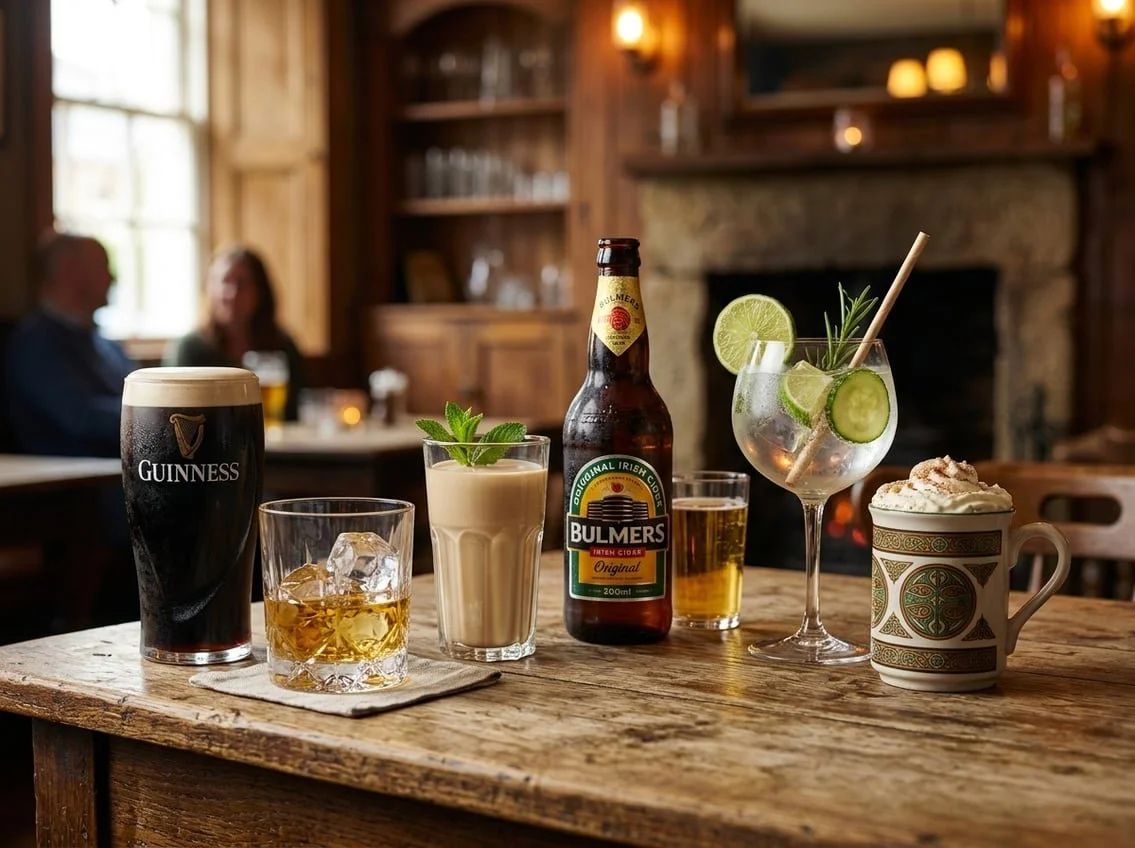
You’ll find quick notes on flavour, serving customs, and why each drink matters in Irish culture as you move through the article.
Expect clear, practical tips to help you enjoy each choice with confidence.
10) Proper No. Twelve Irish Whiskey
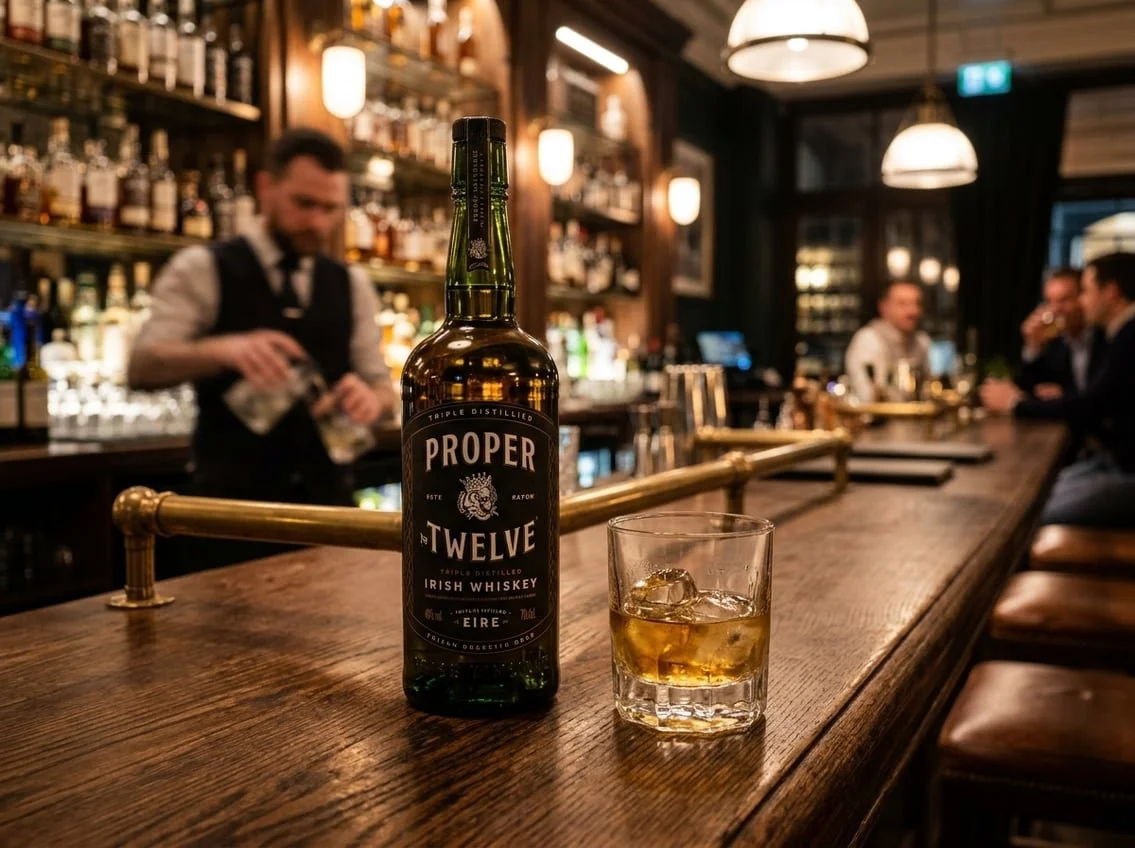
You’ll find Proper No. Twelve easy to drink and widely available.
It blends single malt with golden grain and is aged at least four years in ex-bourbon oak, giving gentle vanilla and honey notes.
If you prefer simple mixers, this whiskey works well with cola, ginger beer, or in an Irish Coffee.
Tastings often note a smooth, approachable profile rather than deep complexity.
Expect it to be priced for casual occasions rather than serious collecting.
For official tasting notes, cocktail ideas and recipes, check Proper No. Twelve’s own cocktail and product pages.
9) Smithwick's Irish Ale
You’ll notice Smithwick’s by its deep ruby colour and gentle malt aroma.
It pours with a creamy head and offers a smooth, slightly sweet taste that balances caramel and toasted-biscuit notes.
You can expect a mild hop bitterness that keeps the beer drinkable over a session.
Its 4–5% ABV range makes it a steady choice if you want flavour without heaviness.
You might find different variations at the Kilkenny brewery, including pale and blonde versions to try alongside the classic red.
Book a tour to see how the brand links to Kilkenny’s brewing history and sample the range yourself.
You’ll see why many people call it a classic Irish red ale.
It’s reliable, easy to pair with food, and a good example of traditional Irish brewing craft.
8) Magners Original Irish Cider
You’ll recognise Magners as one of Ireland’s best-known ciders, often labelled Bulmers in Ireland.
It’s made in Clonmel, County Tipperary using many apple varieties to create a balanced, fruity taste.
Pour a chilled glass and you’ll find a crisp apple aroma with light sweetness and mild acidity.
The texture is fizzy but smooth, which makes it easy to drink on its own or with food.
At about 4.5% ABV, it fits casual drinking occasions and pub settings.
If you want more background on its place in Irish cider culture, see this guide to Bulmers/Magners and Irish ciders.
You’ll notice hints of oak and ripe fruit in some descriptions, reflecting careful blending rather than one dominant apple type.
That approach keeps the flavour steady across batches and seasons.
7) Teeling Small Batch
You’ll notice Teeling Small Batch stands out for its rum-cask finish, which adds sweet, tropical notes to a classic Irish blend.
The 46% ABV gives it extra warmth and body compared with many entry-level Irish whiskeys.
You can expect aromas of vanilla, toffee and dried fruit, with a touch of spice on the palate.
The finish brings butterscotch and a gentle heat that makes you want another sip.
You can drink it neat to taste the rum-cask influence, or use it in cocktails where you want more character than a lighter Irish blend.
Many tasters praise its value for money and versatility.
Read more about its production and flavour profile from Teeling’s own description on the Teeling Whiskey website.
6) Baileys Original Irish Cream
You’ll recognise Baileys Original Irish Cream for its smooth, creamy texture and sweet chocolate‑vanilla notes.
It blends Irish whiskey with dairy cream to create a mild, easy‑drinking liqueur that suits many tastes.
Use it neat over ice, in coffee, or as the base for simple cocktails like an espresso martini.
You can also add it to desserts — it lifts puddings, cakes, and ice cream without overpowering other flavours.
Baileys is widely available and often the benchmark people compare other Irish creams to.
If you prefer a balanced sweetness and low alcohol bite, this is a reliable choice that won’t demand much from your palate.
For quick buying or recipe ideas, check a tasting roundup that ranks popular Irish cream options to see how Baileys compares.
5) Tullamore D.E.W. Original
You’ll find Tullamore D.E.W. known for its smooth, approachable flavour.
It’s a triple-distilled blend that mixes grain, malt and pot still whiskies to create a light, balanced profile.
You can expect notes of vanilla, citrus and a mild spice.
That makes it easy to sip neat, with ice, or in classic cocktails like an Irish coffee.
Tullamore D.E.W. is widely available and often recommended for beginners because it is affordable and consistent.
Learn more about the brand and its history on the official Tullamore D.E.W. site (https://www.tullamoredew.com/en-gb/).
4) Redbreast 12 Year Old
You’ll find Redbreast 12 Year Old is a classic single pot still Irish whiskey.
It balances malted and unmalted barley and often shows notes of dried fruit, spice and toasted oak.
Sip it neat to judge the texture.
The mouthfeel feels full and oily, which helps the flavours last on your palate.
This bottle matured in a mix of bourbon and sherry casks, giving a soft sweetness and a gentle sherry influence.
Critics and drinkers often praise its consistency and value within the premium Irish category — it’s a common recommendation for those new to pot still styles.
If you want to compare tasting notes or read more about the bottle’s profile, see this Redbreast 12 Year Old bottle guide (https://www.tastingtable.com/1877800/redbreast-12-year-old-bottle-guide/).
3) Bushmills Original
You’ll find Bushmills Original is smooth and easy to drink.
It blends triple-distilled malt with Irish grain whiskey for a mild, approachable flavour.
Sip it neat to notice fresh fruit and vanilla notes, or use it in simple cocktails where you want a gentle whiskey base.
The light texture makes it good for newcomers and for mixing into classics like an Irish coffee.
The whisky comes from the Old Bushmills Distillery in County Antrim, which has a long history and draws water from the River Bush.
That history gives the bottle a familiar reputation without being overly bold.
If you want a reliable, everyday Irish whiskey, Bushmills Original fits well on your shelf.
It balances affordability with a clean, friendly profile you can reach for often.
Read more about Bushmills and its expressions at a detailed guide to the brand.
2) Jameson Irish Whiskey
You’ll find Jameson in bars and homes around the world.
It began in Dublin in 1780 and grew into the best-selling Irish whiskey globally, known for its smooth, approachable character.
You can drink Jameson neat, on the rocks, or in cocktails like an Irish coffee or a classic sour.
The Original blend offers light fruit and spice, while variants such as Black Barrel and aged expressions add deeper oak and caramel notes.
If you’re new to Irish whiskey, Jameson makes a good first choice because it balances flavour with easy drinkability.
If you want to explore more bottles and tasting notes, see this guide to Jameson whiskeys explained.
1) Guinness Draught
You will often find Guinness Draught at the heart of any Irish pub.
Its dark colour and creamy head come from a specific nitrogen pouring system that gives the pint its smooth texture.
You should expect a balance of roasted barley bitterness and mild sweetness.
The beer sits around 4.2% ABV, so it drinks like a session pint rather than a heavy ale.
When you watch a bartender pour Guinness, you see a two-part settle and top.
That ritual shapes both the look and mouthfeel you come to expect from a classic Irish stout.
If you want to learn more about its place in Irish drinking culture, see this guide to the top Irish drinks featuring Guinness.
Cultural Significance of Irish Beverages
Irish drinks appear across daily life and special occasions.
They shape social rituals, mark key life events, and link people to local places and histories.
Role in Celebrations and Festivities
You will find Irish beverages at weddings, wakes, St Patrick’s Day parades, and local fairs.
Guinness, Irish whiskey and craft ciders are often served alongside traditional food.
Hosts commonly offer a round to welcome guests, and sharing a pint or a dram marks hospitality.
At national celebrations like St Patrick’s Day you will see parades, pub gatherings and organised tastings.
Distilleries open for tours and pubs stage live music.
In rural festivals, local poitín or farmhouse ciders may feature, keeping small producers visible.
If you attend a family event in Ireland, expect to join in a toast.
Drinks often punctuate speeches, singalongs and ceilidh dancing.
That shared focus makes gatherings feel warmer and more communal.
Influence on National Identity
Irish drinks carry strong local pride.
Cities like Dublin and regions such as County Cork and County Antrim are linked to specific beers, whiskeys or ciders.
You can trace brands and styles back to centuries-old breweries and distilleries that locals identify with.
You will also see political and cultural identity in branding and heritage tours.
Distillery visitor centres present craft, history and place—connecting tourism to national storylines.
Labels, pub names and cocktail lists frequently reference Irish myths, saints or local landmarks.
For many Irish people, these beverages represent craftsmanship and resilience.
They offer a tangible link to place, family recipes and regional customs you can taste in a single glass.
Related reading: explore a list of notable Irish drinks and background at 10 Best Irish Drinks (https://www.bankholidays.ie/irish-drinks).
Traditional Serving Customs
Irish drinks are served with attention to glass choice, temperature, and a respect for pub manners.
You will often see specific glasses, precise pours, and simple rules of behaviour that shape the drinking experience.
Glassware and Presentation
Always check the glass before a pour.
Stouts like Guinness go in a tulip pint or dimpled pint glass and are served with a two-part pour to get a clean, creamy head.
Whiskey is presented in a heavy-bottomed tumbler or a Glencairn-style glass when tasting; this concentrates aroma and makes sipping easier.
Ciders and lagers come in chilled straight-sided glasses or branded pints, kept cold but not iced.
Irish coffee is brewed hot in a stemmed heatproof glass so the whipped cream sits neatly on top.
For cream liqueurs such as Baileys, small tulip glasses or shot glasses are used and served chilled.
Presentation matters: wipe any drips, serve with the label facing the drinker if it’s a bottle, and avoid overfilling.
A neat pour, correct glass and appropriate temperature show respect for the drink and the people you share it with.
Pub Etiquette
When you enter a pub, wait to be served or go straight to the bar if it’s busy. Offer your order clearly and be ready to pay; most bars still expect you to pay as you order.
If you’re buying for a group, move through the queue and bring drinks back promptly.
Tipping is appreciated but modest—rounding up or leaving a coin is common.
Don’t shout across the room; signal the bartender or wait until there’s space at the bar.
If someone buys you a drink, you can accept it. Buying a round in return is a typical custom but not mandatory.
Keep voices at a considerate level and handle glasses with care.
Respect opening hours and closing times.
