The Cheapest Good Pint in Central Budapest: 2026 Guide
A fair central pint in Budapest in 2026 sits in the 800-1,300 HUF range for a 0.5-litre local lager in an ordinary bar, with tourist-facing venues on the main squares often charging 1,800-2,500 HUF for the same drink. That gap is the whole story of drinking well here on a budget: the beer itself rarely changes much, but the address it's served at can double the bill.
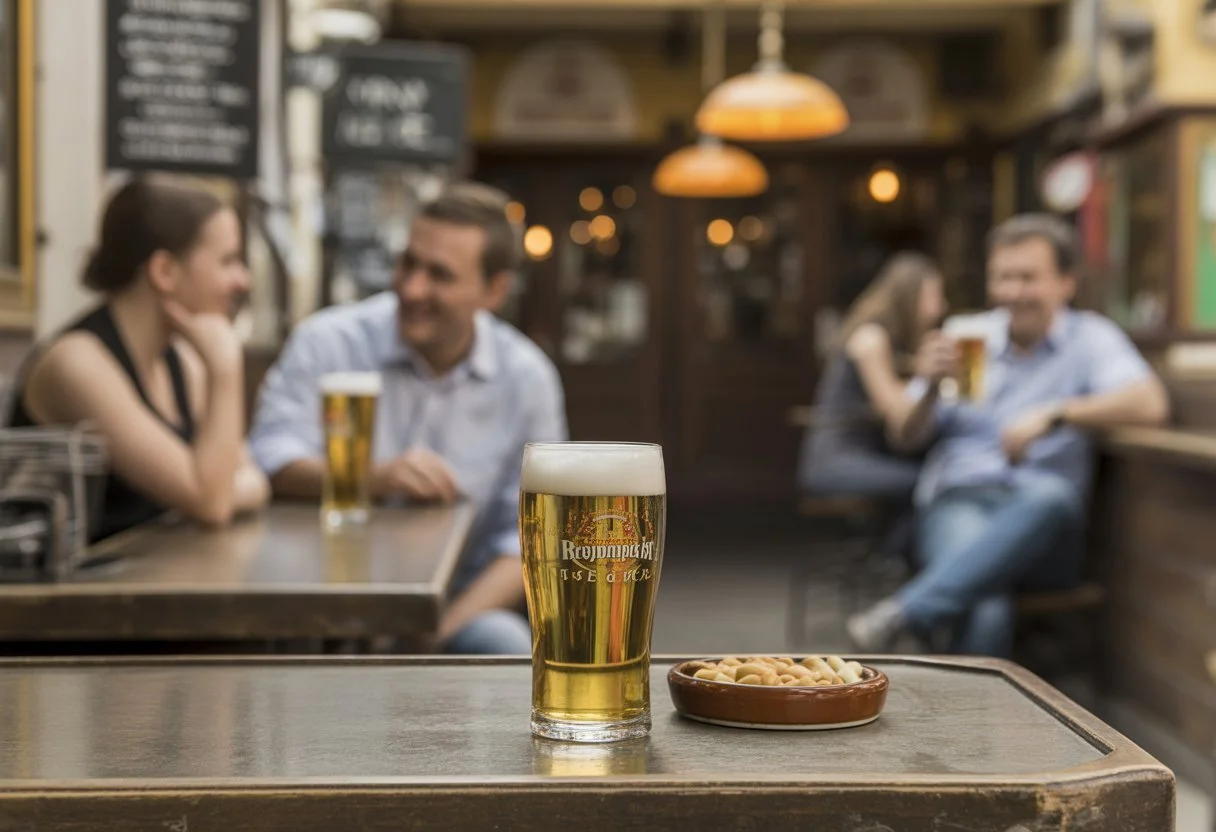
Hungarian forint prices move with each menu reprint, and no single bar holds the title of cheapest good pint all year. What you can do is learn the price bands, know which streets carry a mark-up, and read a drinks menu quickly enough to spot when a venue is charging for the view rather than the beer. That's more useful than chasing a number that will be out of date within a season.
Key Takeaways
A solid 0.5-litre local lager in central Budapest typically runs 800-1,300 HUF away from the busiest tourist strips.
Location drives price more than the beer itself, with Váci Street and riverfront terraces charging well above neighbourhood kocsmas for an identical pour.
Comparing supermarket prices, house wine and draught lager side by side on the night helps you judge fair value faster than any fixed price list.
What Should a Good Central Budapest Pint Cost in 2026?
A good pint in central Budapest means a properly cold, well-kept 0.5-litre pour of local draught beer for somewhere between 800 and 1,300 HUF, or a craft option for up to around 1,800 HUF. Below that range you're often looking at a happy-hour promotion or a very basic dive; above it, you're usually paying for footfall and location rather than quality.
What Counts as a Pint in Budapest?
Hungary doesn't use the imperial pint. The standard measure is a korsó, a 0.5-litre glass, which is smaller than the UK's 568ml pint but close enough that most visitors treat it as the local equivalent. Menus also list a pohár, a smaller 0.3-litre pour, useful if you're pacing yourself through a stronger craft beer or just want to try something before committing to a full glass.
Watch for this distinction when comparing prices between venues. A bar advertising a cheap "sör" (beer) price may be quoting the 0.3-litre pohár, not the half-litre you're picturing, so check the glass size printed next to the price before assuming you've found a bargain.
Realistic Price Bands for Local, Imported and Craft Beer
Local draught beer is the cheapest reliable option. Expect 800-1,300 HUF for a 0.5-litre pour of a mainstream Hungarian lager in an ordinary central bar, dropping toward 500-800 HUF in genuinely local kocsmas a short walk from the main squares.
Imported beer costs more because of licensing and distribution. A 0.5-litre Pilsner Urquell or similar import typically runs 1,200-1,800 HUF in the same venues.
Craft beer sits in its own band, usually 1,200-1,800 HUF for a well-known Hungarian microbrewery pour, occasionally higher for limited or barrel-aged releases. None of these figures are fixed: they shift with the venue, the season, and any promotion running that week, so treat them as a benchmark rather than a guarantee.
Why the Same Beer Costs More Near Major Sights
Rent and footfall explain most of the difference. A bar on Váci Street or facing the Danube pays substantially more for its lease than a kocsma two streets back, and that cost lands on the drinks menu.
Table service, printed cocktail lists and a view of a landmark all push prices up too, even when the tap pouring your lager is identical to the one in a cheaper bar nearby.
Where Can You Find Fair-Value Beer in the Centre?
Fair-value beer in central Budapest is usually found a short walk from the landmark streets rather than directly on them, with District V and District VII both containing a wide spread between premium and reasonable pricing depending on which block you're on. The pattern is consistent enough to plan around: proximity to a major sight or a tour-group route is the strongest single predictor of a marked-up price.
District V and Váci Street: Convenience at a Premium
Váci Street carries the highest average drink prices in central Budapest. Its bars trade on footfall from Deák Ferenc tér and the riverside promenade, and a 0.5-litre lager here can easily reach 1,800-2,500 HUF in venues aimed squarely at passing tourists.
District V away from Váci Street itself is more forgiving. Side streets a few minutes from the main pedestrian strip often price a similar pour several hundred forints lower, without any real drop in quality.
Pest City Centre and District VII: Comparing Bar Types
District VII, the Jewish Quarter, holds the ruin bar cluster and some of the most variable pricing in the city. A kocsma on a quiet residential corner of the district can charge close to local rates, while a well-known ruin bar two streets away charges considerably more for the same style of lager.
The general rule across Pest city centre: a plain, no-frills bar with a chalkboard menu and Hungarian-language signage is a better indicator of fair pricing than a venue with English menus, promoters at the door, or a queue of visitors on a Saturday night.
When Buda Is Worth the Detour
Buda rarely offers dramatically cheaper beer than a well-chosen Pest bar, but it consistently avoids the sharpest tourist mark-ups. Neighbourhood bars around Batthyány tér or further into residential Buda tend to price close to what a local would pay, and the calmer atmosphere suits an evening built around conversation rather than nightlife. If your itinerary already has you crossing the river for the Castle District or Gellért Hill, factoring in a beer stop there is a reasonable use of the walk rather than a special trip on its own.
Which Beers Offer the Best Value?
Mainstream Hungarian lagers such as Dreher, Borsodi and Arany Ászok deliver the most reliable value for a central Budapest pint, typically the cheapest draught option on any menu while remaining a perfectly decent everyday beer. Imported and craft options cost more but can be worth the difference depending on what you're after from the glass.
Reliable Hungarian Lagers to Look For
Dreher is Hungary's best-known mainstream brand and appears on tap in most kocsmas and casual bars, usually at the lower end of the local price band. Borsodi is a similarly priced, widely available pilsner-style lager that locals order without a second thought. Arany Ászok, a clear golden pilsner, is often cited as one of the cheapest options both in bars and in supermarket fridges, making it a fair benchmark for what a basic sör should cost.
None of these are showy beers, but they're consistent, cold, and priced to match.
When Pilsner Urquell and Other Imports Are Worth Paying For
Pilsner Urquell and other imported draughts cost more because of import and distribution costs, not because the pour is necessarily better. If you already know and enjoy a particular imported lager, the extra 300-500 HUF over a local pilsner buys familiarity rather than a meaningful step up in quality for most palates.
How Craft Beer Prices Compare at Élesztő
Élesztő, more fully known as Élesztőház, is Budapest's original craft-beer-focused venue, pouring from around thirty taps across a converted former glassworks in District IX. Prices here run 1,200-1,800 HUF for a 0.5-litre craft pour, noticeably above a local lager but broadly in line with what specialty taprooms charge across the city. Given the rotating list of Hungarian and guest breweries, it's a fair price for the variety on offer rather than a mark-up for the address.
Do Ruin Bars Still Offer Good Value?
Ruin bars offer reasonable value away from the most famous names, but the flagship venues now charge closer to premium bar prices than the budget reputation they built in the 2000s. Draught beer across the ruin bar category generally runs 1,000-1,800 HUF for a 0.5-litre pour, with some well-known venues pushing higher still.
Szimpla Kert: Paying for the Experience
Szimpla Kert, the original and most famous ruin bar on Kazinczy utca, currently lists draught beer at 2,200-2,500 HUF for a 0.5-litre glass, with cocktails running 4,000-5,500 HUF. That's a premium price by any central Budapest measure, and it reflects the venue's reputation and constant footfall rather than a difference in the beer itself. It remains worth a visit for the atmosphere and the Sunday farmers' market, but it isn't where to go if beer price is your main concern; our honest guide to ruin bars in Budapest covers the wider scene in more depth.
Ellátó Kert and Other Alternatives
Ellátó Kert, once a popular budget alternative on Kazinczy utca, closed permanently in 2019 and a residential building now occupies the site, so it's worth double-checking any older list that still recommends it. Current alternatives with more moderate pricing include Instant-Fogas, Mazel Tov and Kőleves, though prices and hours shift often enough that checking the venue's own listing before you go is sensible.
How to Read a Drinks Menu Before Ordering
Check the glass size next to the price, look for a service charge note near the bottom of the menu, and compare the draught lager price against any cocktail list before sitting down. If a venue has no visible price list at all, that's usually a sign to ask before ordering rather than after.
How to Keep Your Drinks Budget Honest
Comparing bar prices against supermarket shelves and the wine list is the fastest way to judge whether a night out is fairly priced. Hungary's retail chains and its wine culture both offer a useful reality check against bar menus, especially in tourist-facing venues where the mark-up isn't always obvious from the price alone.
Bar Prices vs. SPAR, Lidl, Aldi and Penny
A can or bottle of local lager from SPAR, Lidl, Aldi or Penny typically costs a fraction of the same beer poured in a bar, often under 400 HUF for a basic Hungarian lager. That gap isn't a criticism of bar pricing, since you're paying for glassware, service and a place to sit, but it's a useful anchor when deciding whether a menu price feels reasonable. Buying a few beers from a supermarket before heading out is a common and practical way to manage an evening's budget without cutting the night out altogether.
When House Wine Is Better Value Than Beer
House wine is frequently the best-value drink on a Budapest menu, sometimes cheaper than the same venue's craft beer. Hungary has serious wine regions on its doorstep: Kadarka and Kékfrankos reds, Egri Bikavér from Eger, and the dessert wines of Tokaj all show up as house pours or by-the-glass options in central bars. A glass of a decent Kékfrankos for 600-1,200 HUF can be a better night's drinking than a craft beer at double the price, particularly if wine is genuinely your preference rather than a fallback choice.
Service Charges, Tipping and Paying in Forints
Many central bars and most ruin bars now add a 10-15% service charge automatically, so check the bill before adding a separate tip. Where no service charge appears, rounding up or adding roughly 10% for table service is standard. Always confirm prices in forints rather than a converted currency shown on a card terminal, since dynamic currency conversion at the point of sale rarely favours you.
Finding a Pint That Is Good Value, Not Just Cheap
The cheapest pint in central Budapest and the best-value pint are rarely the same glass. A rock-bottom price often means a very basic bar with little atmosphere, while genuine value means a fairly priced, well-kept lager or craft beer in a setting worth spending an evening in.
Judge value on the night rather than from an old price list. Compare the draught lager price against the cocktail menu, check whether a service charge is already included, and weigh a supermarket beer against a bar pour if you're deciding between a quiet night in or heading out. Hungary's wider drinks culture, from pálinka to Unicum, is worth exploring alongside beer, but for a straightforward pint, a local lager in an unpretentious bar a few streets back from the main sights remains the most dependable route to good value in 2026.
